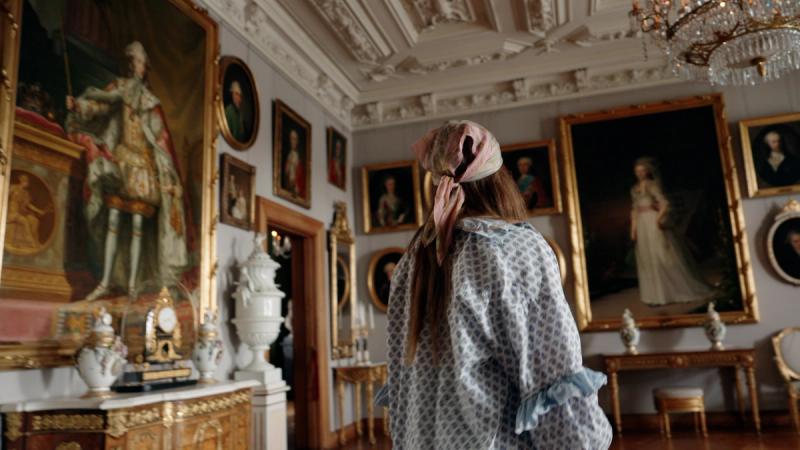
1660-1800
Enevælde og oplysningstid: Kongelig pragt, magtkampe, skandaler og nye idéer. Kongen havde magten og brugte kunsten til at understrege det!
The Enlightenment, reforms and court intrigues
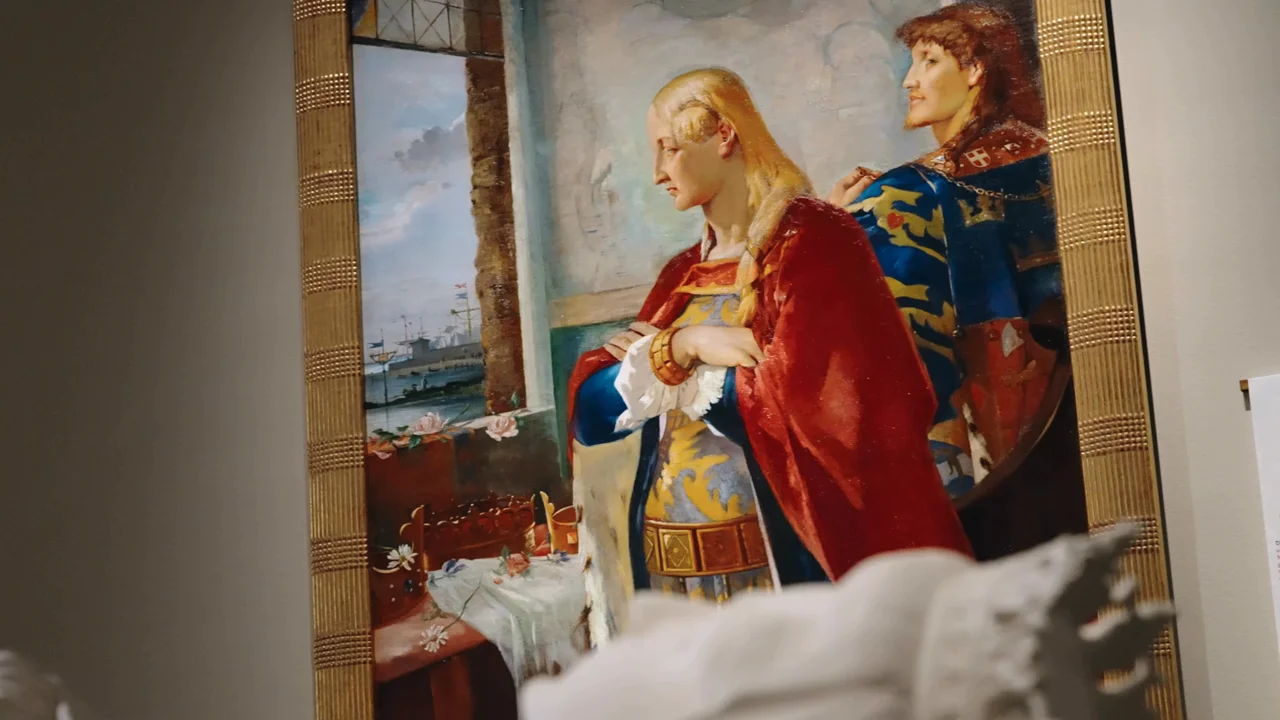
Kings with absolute power, dramatic struggles, scandals and new ideas! Between 1660 and 1800, Denmark underwent profound change. Kings ruled with pomp and splendour, while Enlightenment ideas challenged the old order. Trade, colonies and connections with the wider world also left their mark on Denmark. Through portraits and history paintings, we encounter the powerful figures of the age. But art did more than depict the past – it helped shape the story told about it. Who decides how history is remembered?
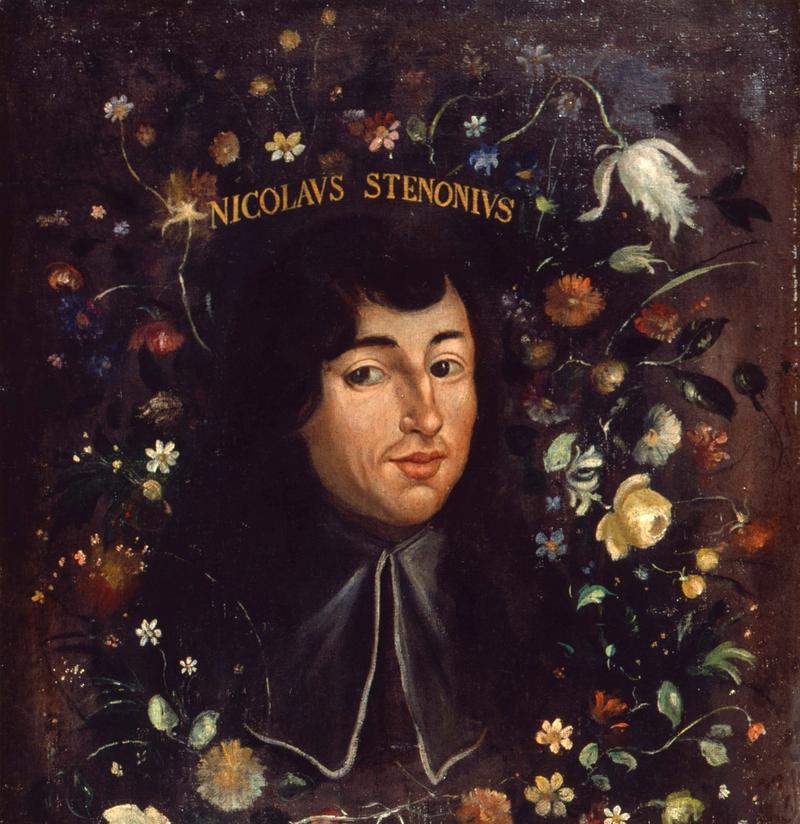
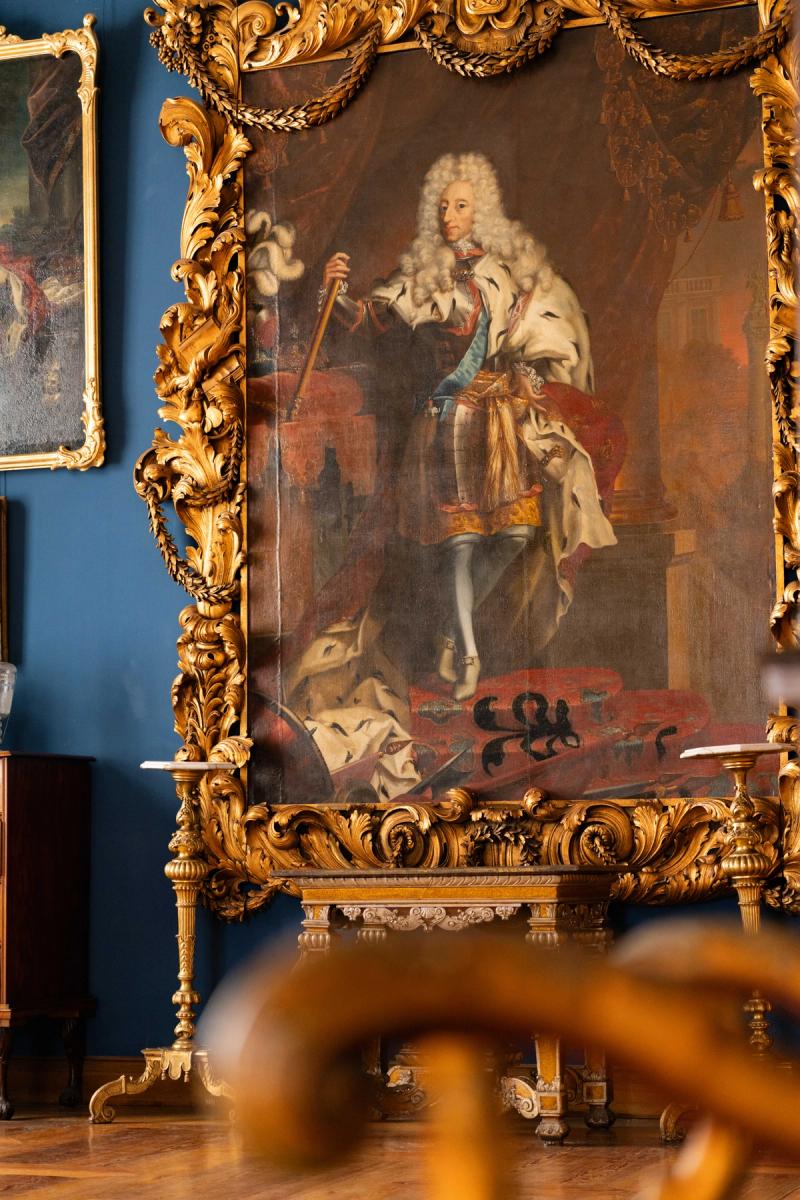
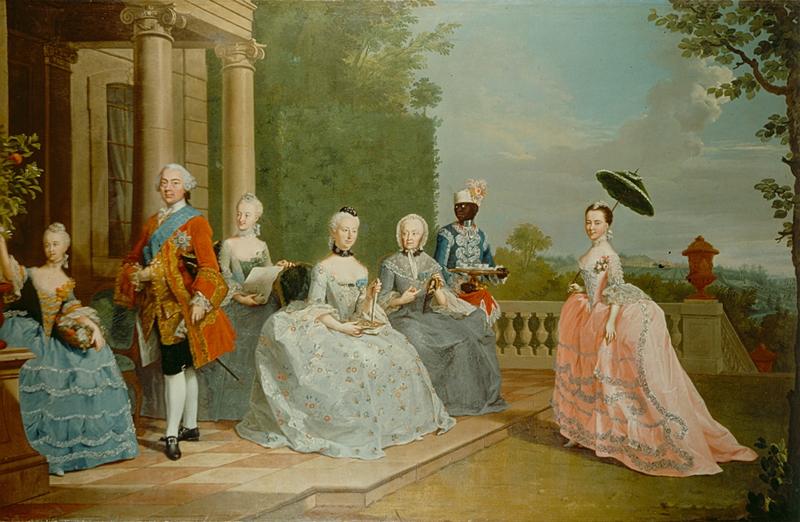
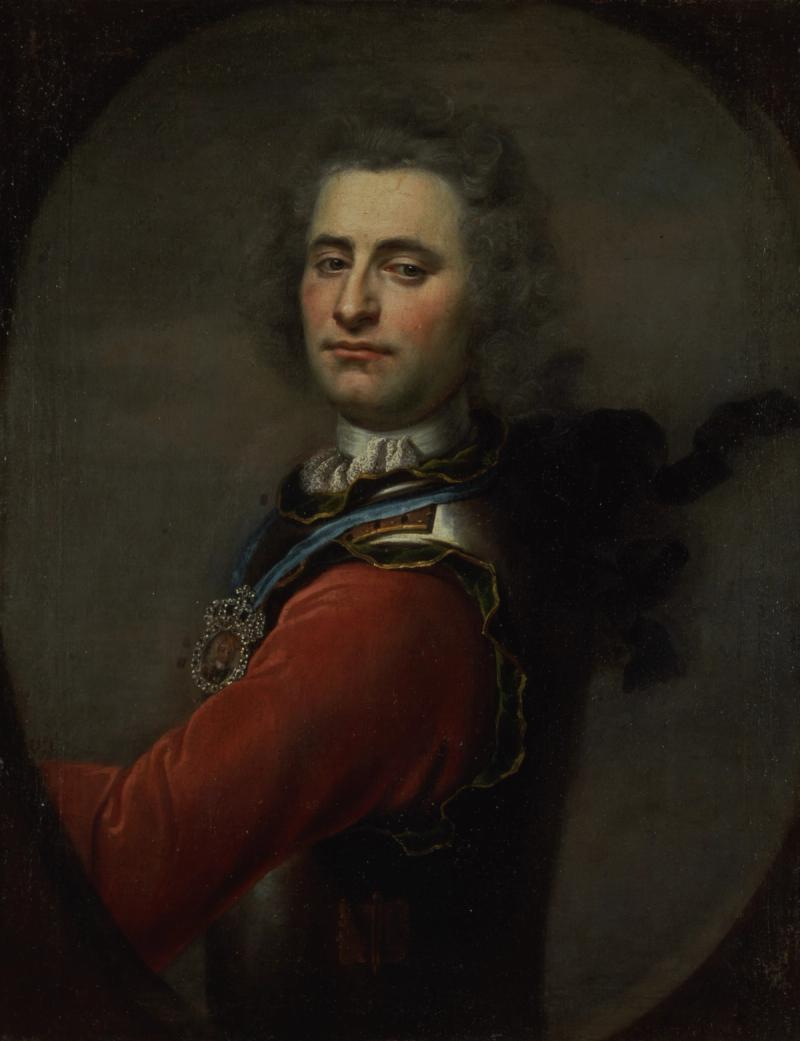
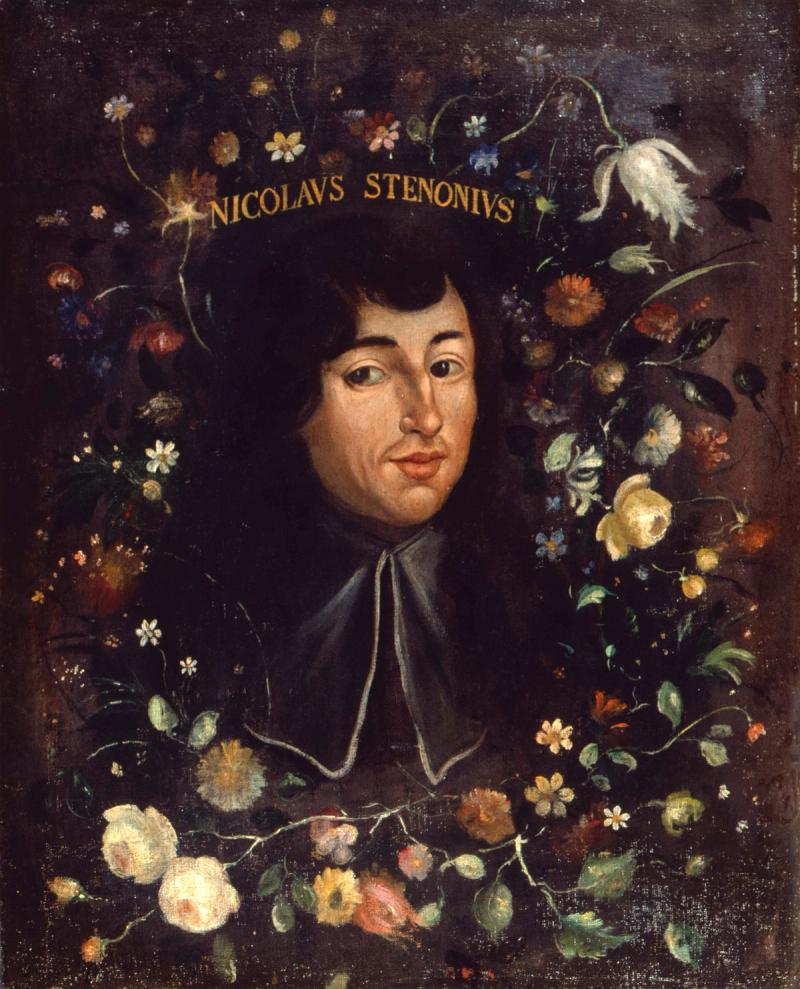
The Portrait Gallery, 1660–1800: Who will you meet?
Absolute monarchs and powerful officials. Scientists and artists. A naval hero, a royal physician, and queens with visions of their own.
Portraits reveal the people behind the great events and new ideas of the age.
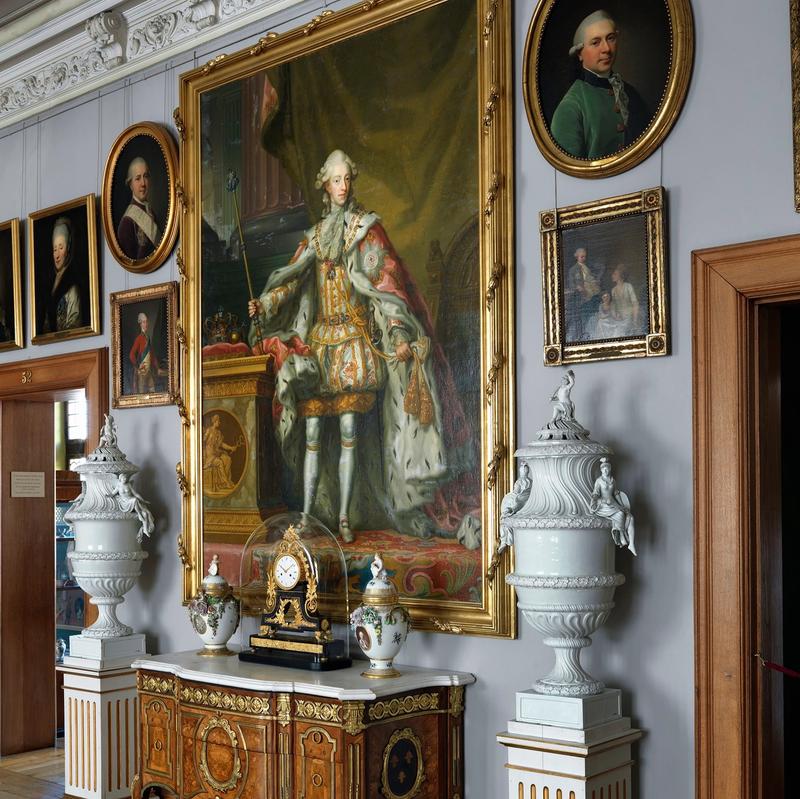
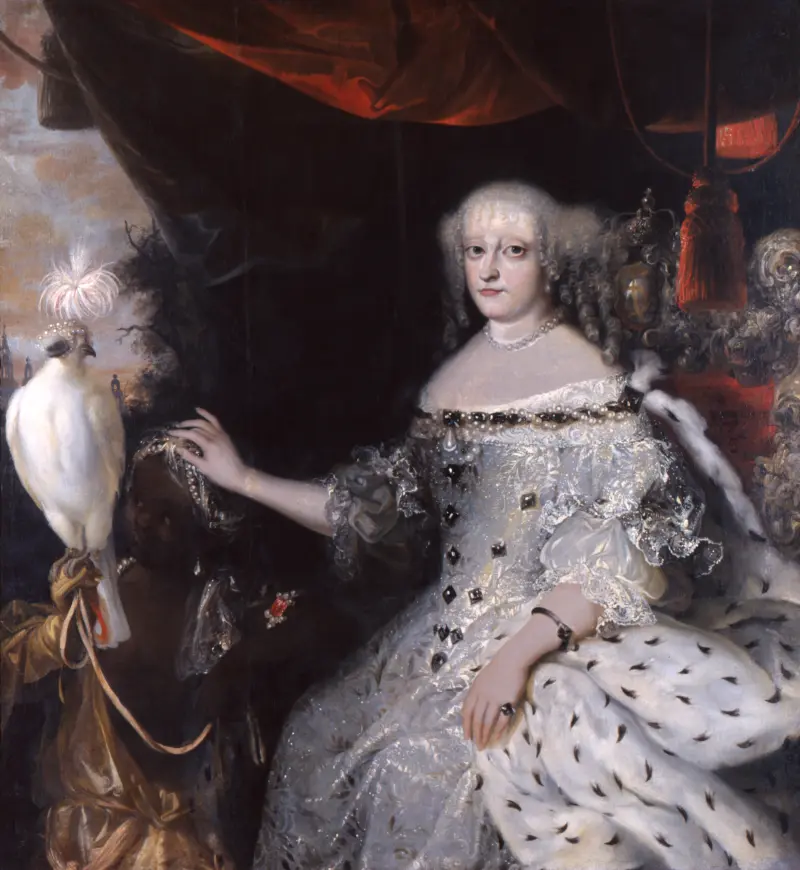
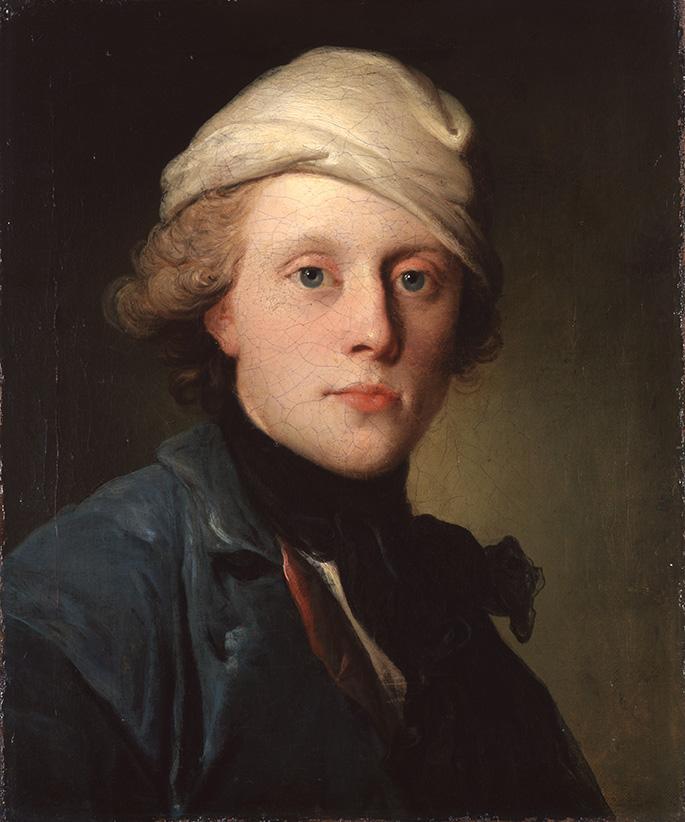
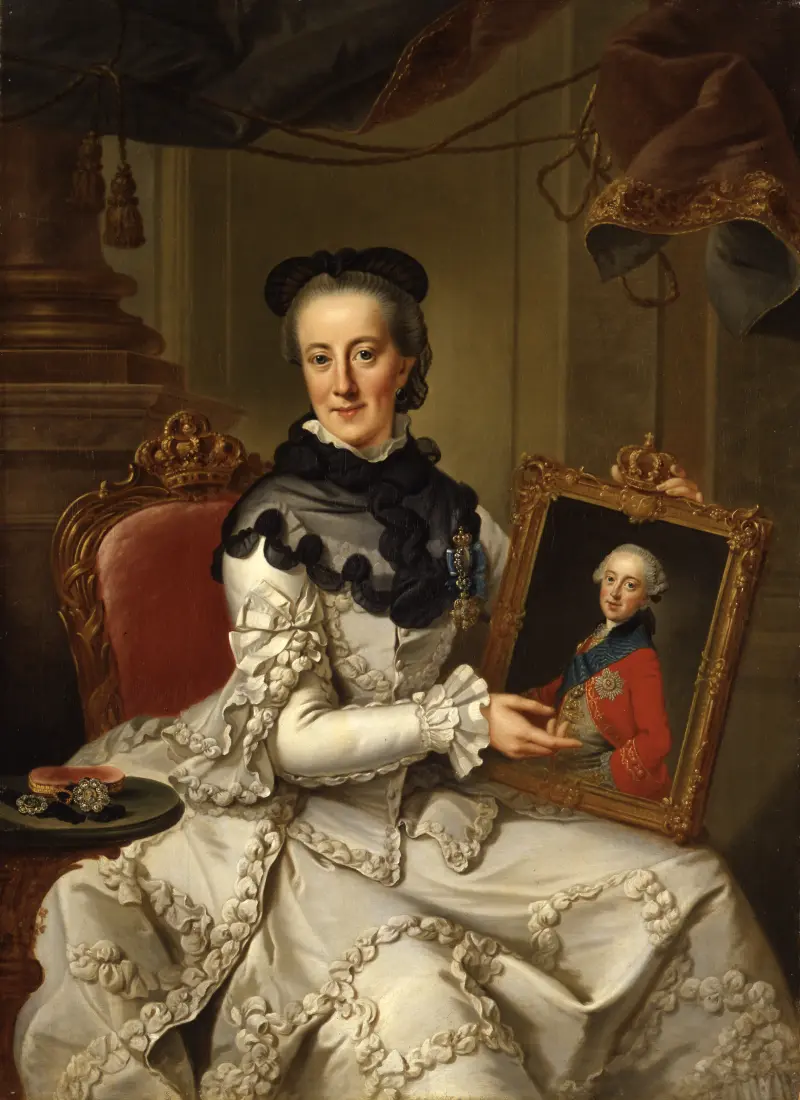
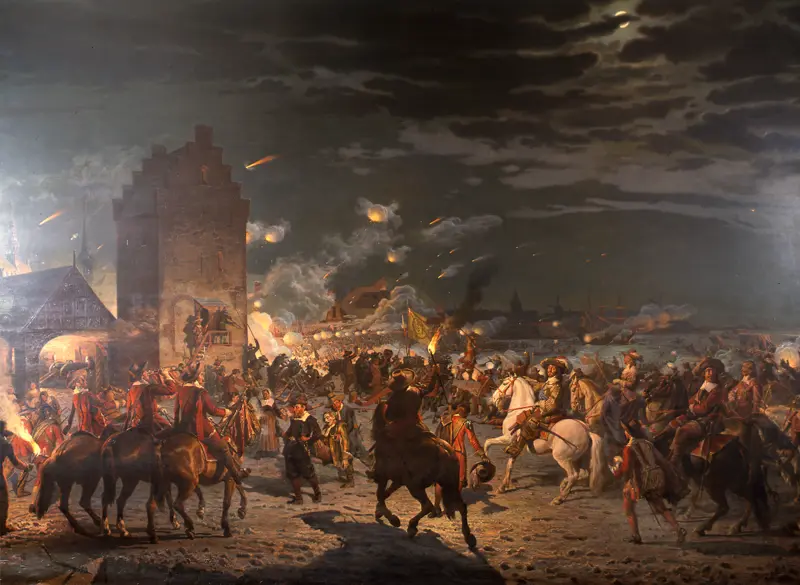
Power on Canvas: History Paintings, 1660–1800
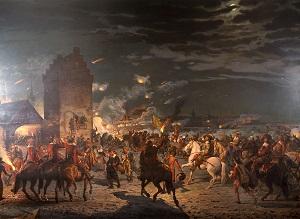
Of all the kings represented at Frederiksborg, Frederik III is the one whose dramatic reign unfolds most extensively in large history paintings depicting war, power and royal triumph.
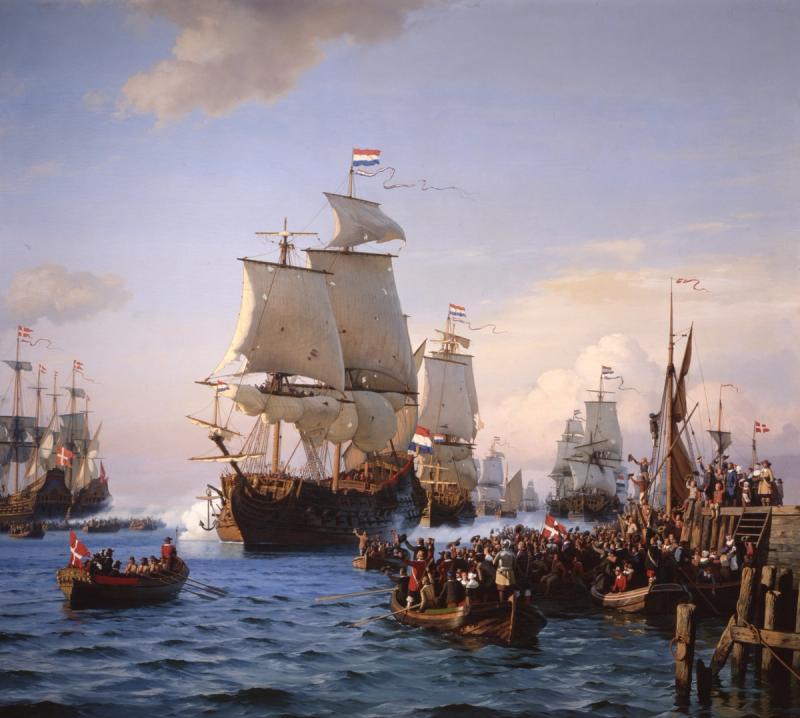
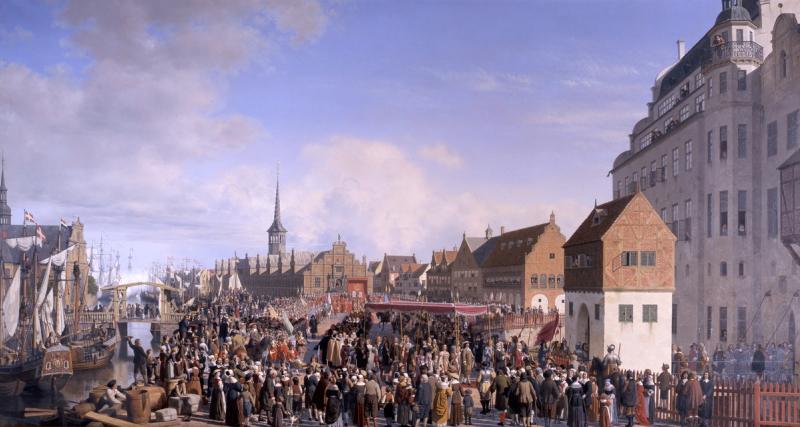
The Acclamation of the Hereditary Monarch
Heinrich Hansen’s large history painting of the acclamation of the hereditary monarchy in 1660 hangs in the Angels’ Hall (Room 37). It depicts the decisive moment when Frederik III was acclaimed hereditary king in the square outside Copenhagen Castle. Painted more than 200 years after the event, it tells us not only about the beginnings of absolute monarchy but also about how later generations, in the late 19th century, wanted to portray them.
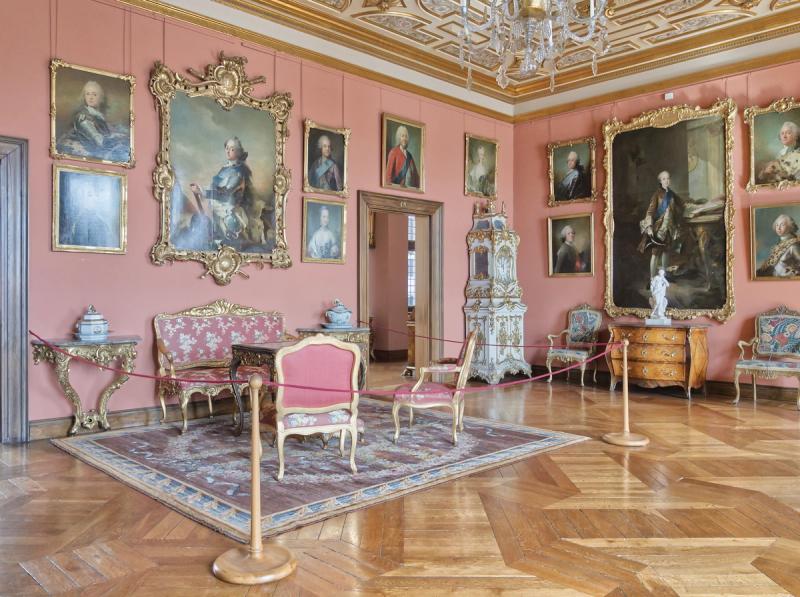
Design and Decorative Arts
Baroque, Rococo and porcelain. Discover the splendour of absolute monarchy!
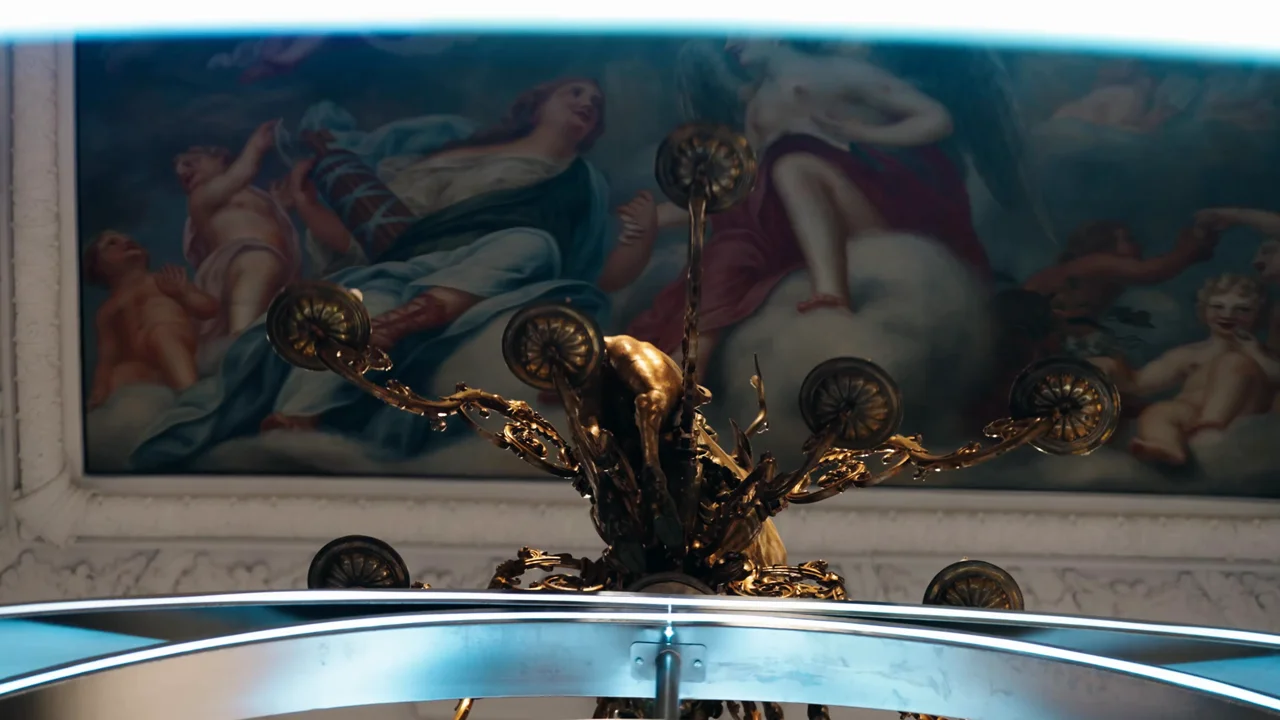
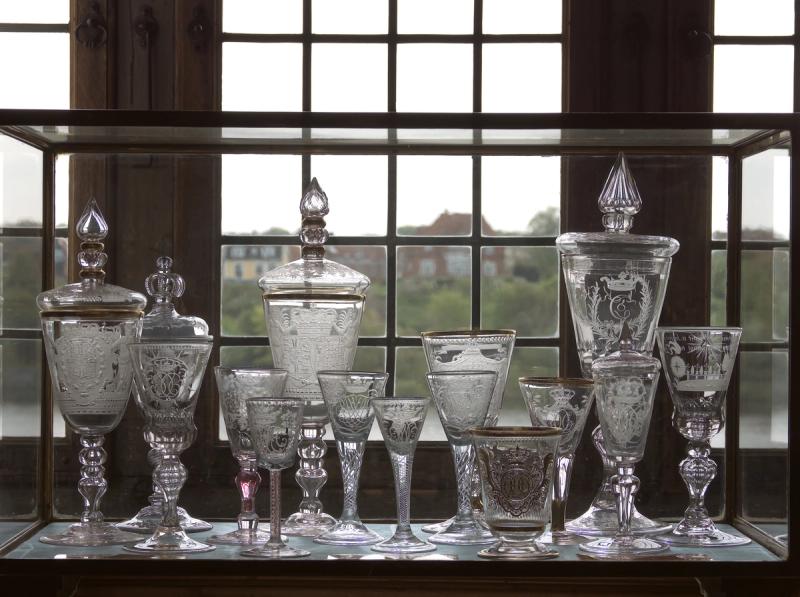
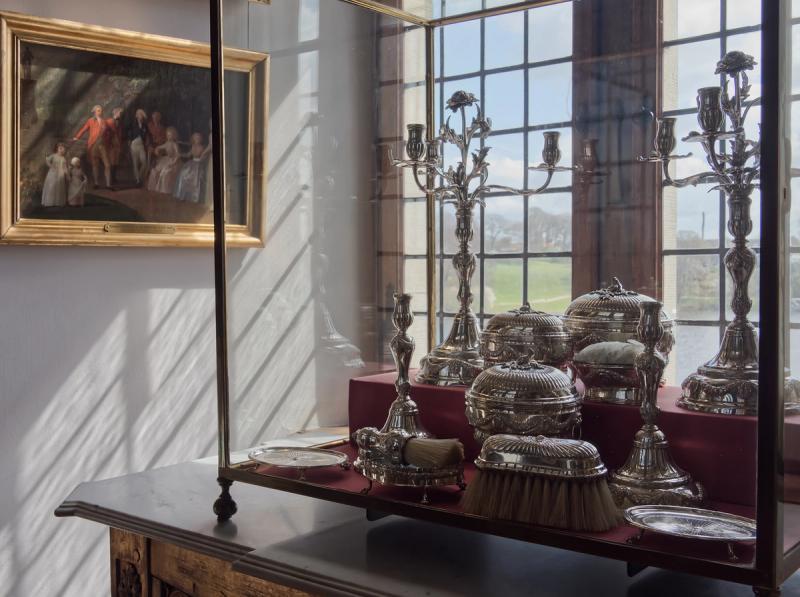
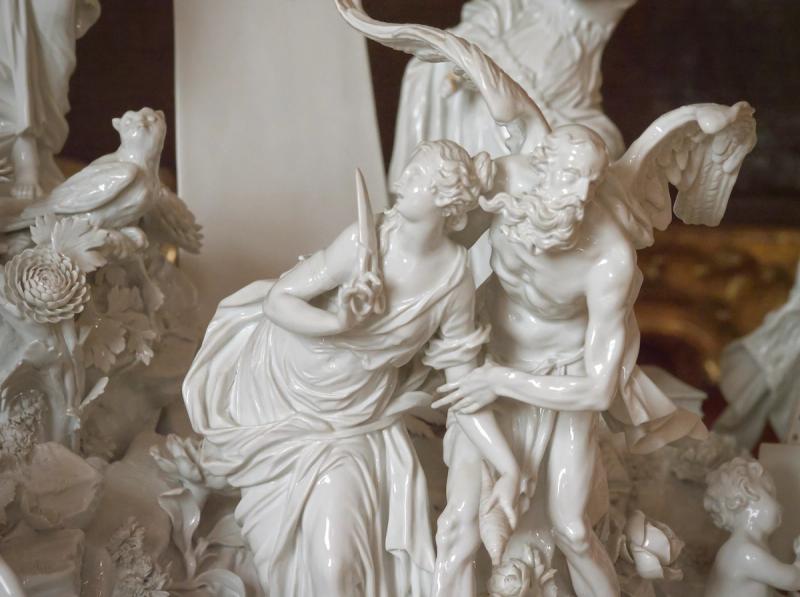
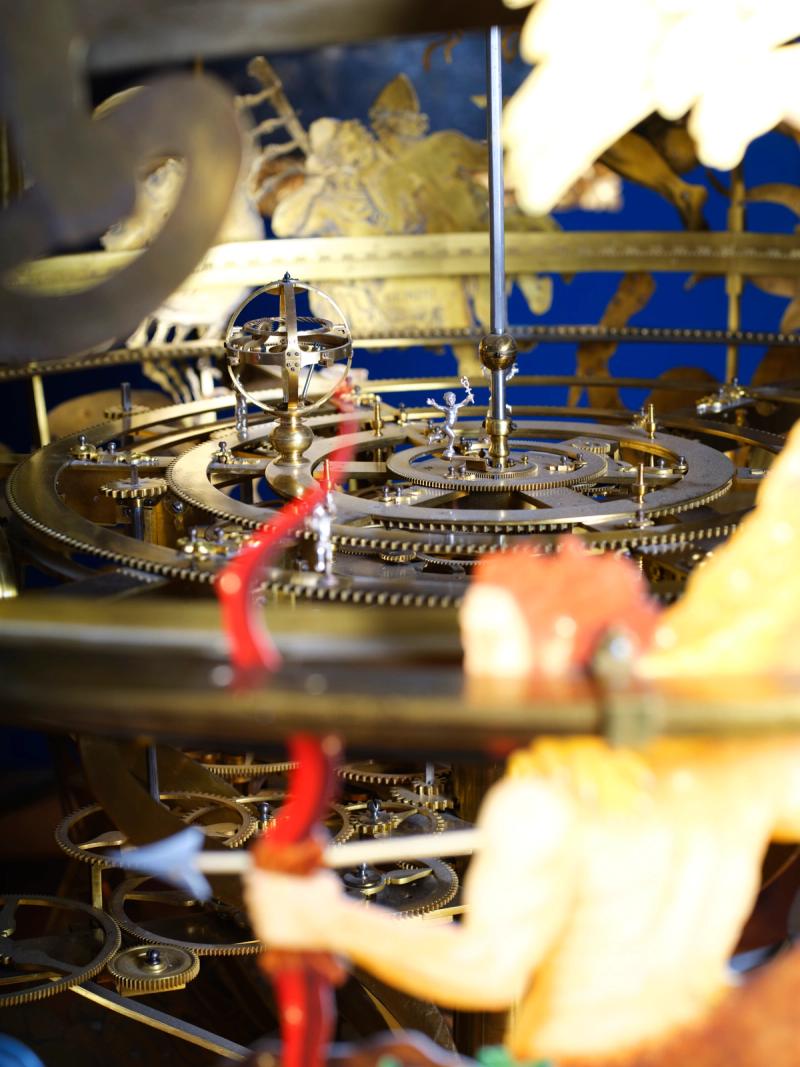
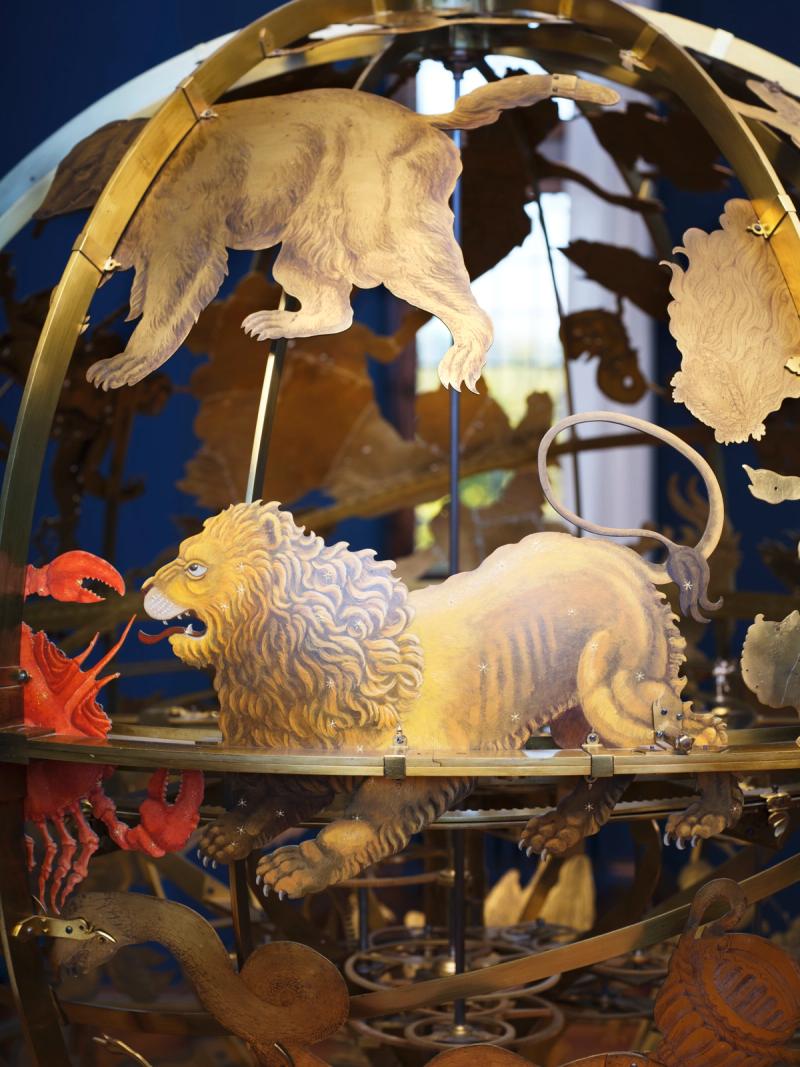
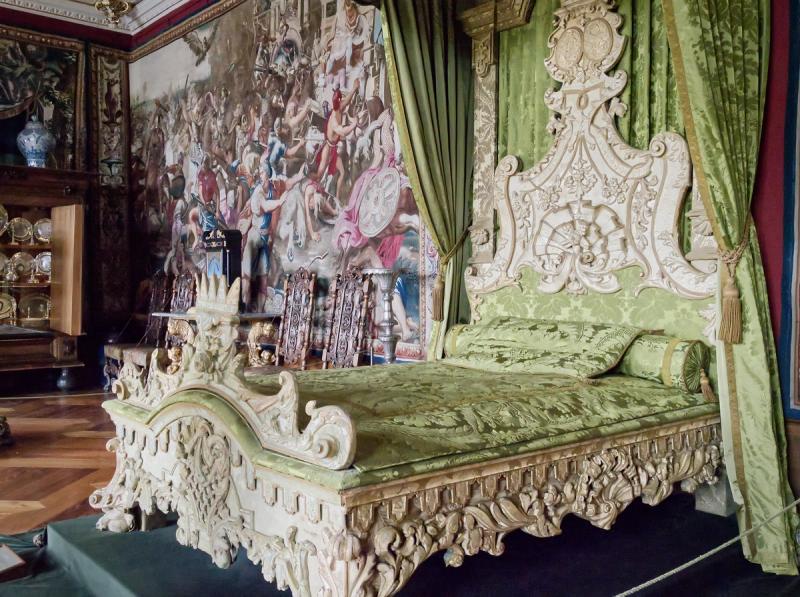
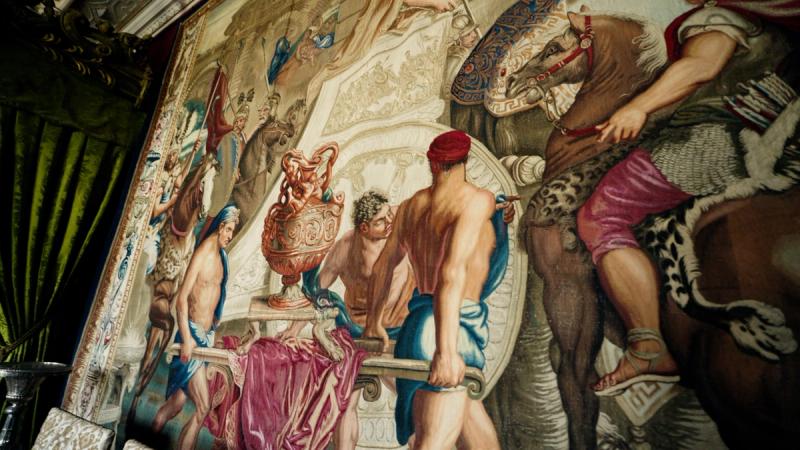
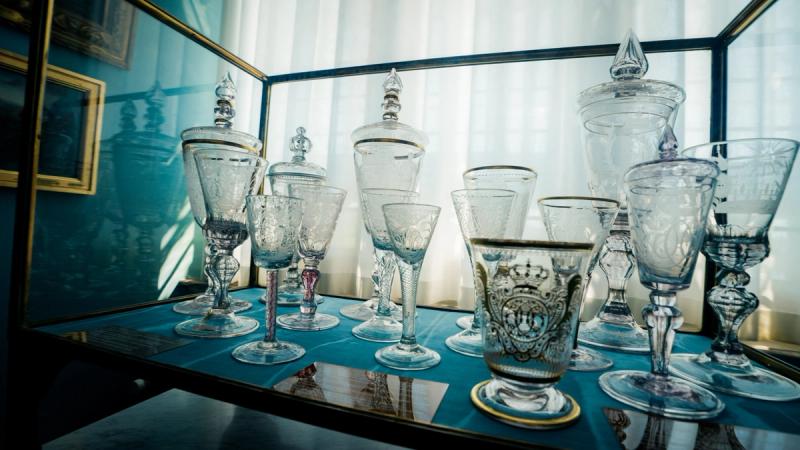
Under absolute monarchy, art, craftsmanship and lavish interiors were used to display power and status. Furniture, clocks, silverware, porcelain and other objects from the period reveal changing tastes, developments in craftsmanship and the luxury enjoyed by those who held power.
At Frederiksborg, the Audience Chamber and Audience Passage are among Europe’s finest surviving original Baroque interiors. Created during the reign of Christian V in the 1680s, they offer a remarkable glimpse into the ceremonial world of absolute monarchy.
More about 1660–1800
Lyt til episoder af podcasten PORTRÆT om 1660-1800

See also
 Permanent exhibition
1500-1660
 Permanent exhibition
1900 to the present day
- Permanent exhibition
The Chamber of Orders