Skip to content

Frederiksborg for

About Frederiksborg

Frederiksborg

Frederiksborg Slot 10

3400 Hillerød

Phone: +4548260439

Phone hours: Weekdays, 9 am–12 pm

[email protected]

Open today: 10–17
Permanent exhibition

1500-1660

Wars, power struggles and religious upheaval!

Power, wealth and big egos! Kings and nobles fought for control. The king waged wars and built magnificent castles, while portraiture emerged as the propaganda tool of the age.

Denmark turned upside down

Between 1500 and 1650, Denmark underwent a dramatic transformation. The Reformation saw Protestantism replace Catholicism, while the king and the nobility battled for power in a vast Nordic realm centred on Denmark. At the same time, art became a powerful weapon in the struggle for power and status.
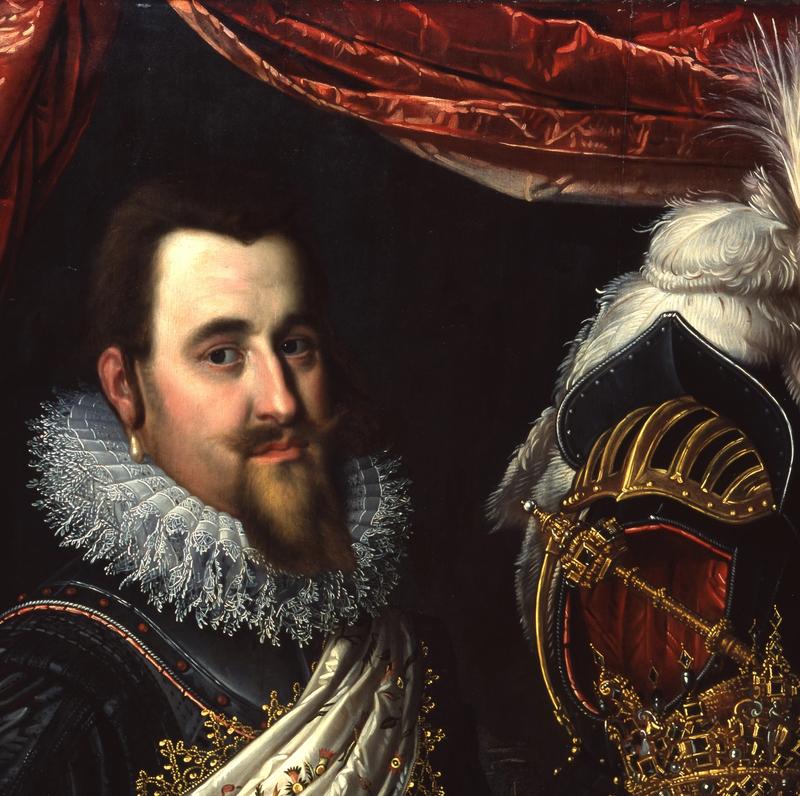
The Portrait Gallery, 1500–1660:

Portraiture emerged as the propaganda tool of the age. It was not just about capturing a likeness, but about showing the world who was in charge! The elite had themselves painted in sumptuous clothing, accompanied by impressive coats of arms. Family lineage, wealth and power were all on display. Meet some of the people behind the portraits.
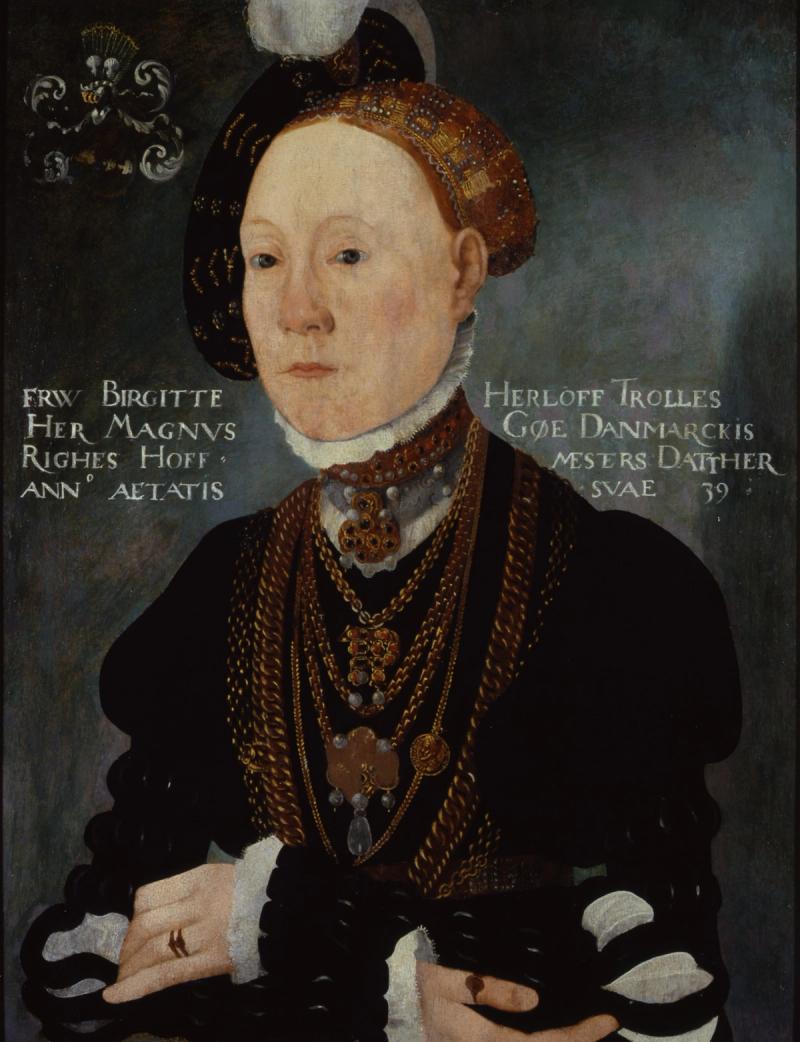
One of the most formidable women of the 16th century: Birgitte Gøye. Further down, you can see her husband, Herluf Trolle. The couple lived at Hillerødsholm manor, which was acquired by King Frederik II through a land exchange. He went on to build the first Frederiksborg Castle. Birgitte Gøye, 1511–1574. Unknown artist, 1550.
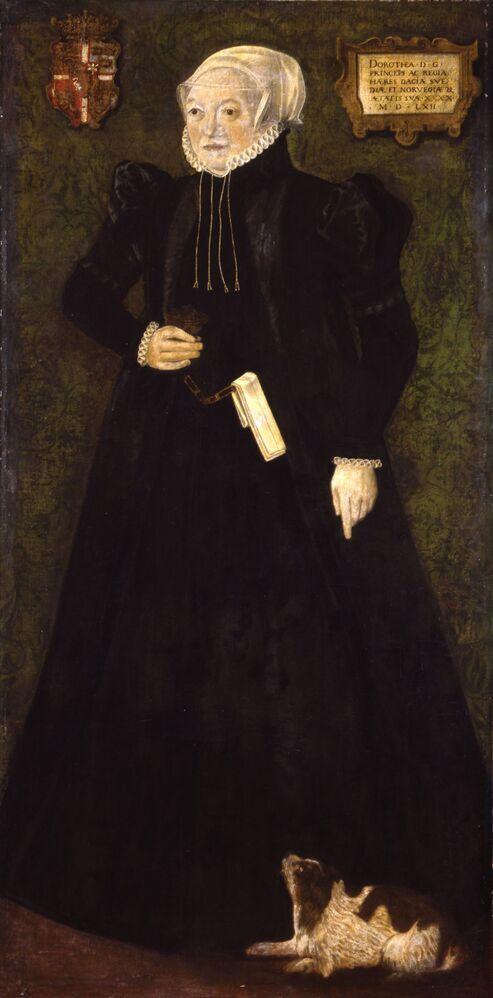
Dorothea, 1530–1580, daughter of Christian II and Elisabeth. Married to Frederick II (the Wise), Elector Palatine. Unknown artist, 1562.
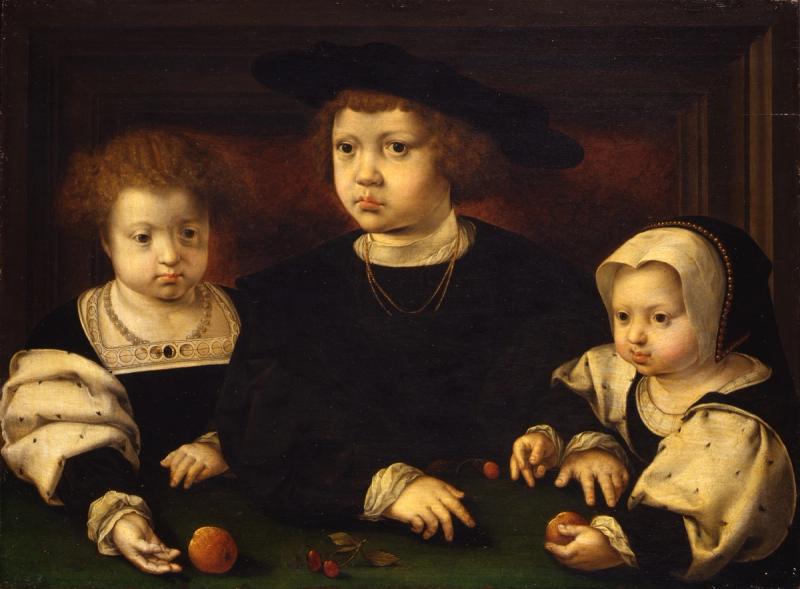
Children of Christian II. Jan Gossaert (Mabuse), c. 1522.
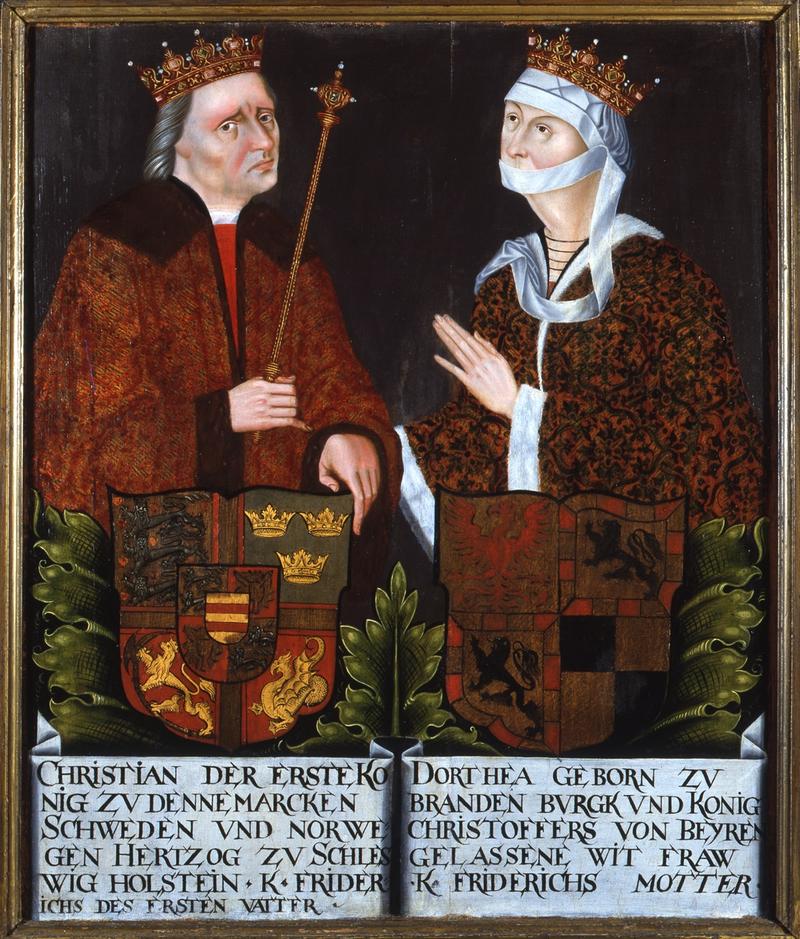
Christian I, 1425–1481, king from 1448, and Dorothea, 1430–1495, queen and wife of Christian I. Undated, probably made during the 16th century. A 16th-century copy after portraits on the altarpiece from Turø Church.
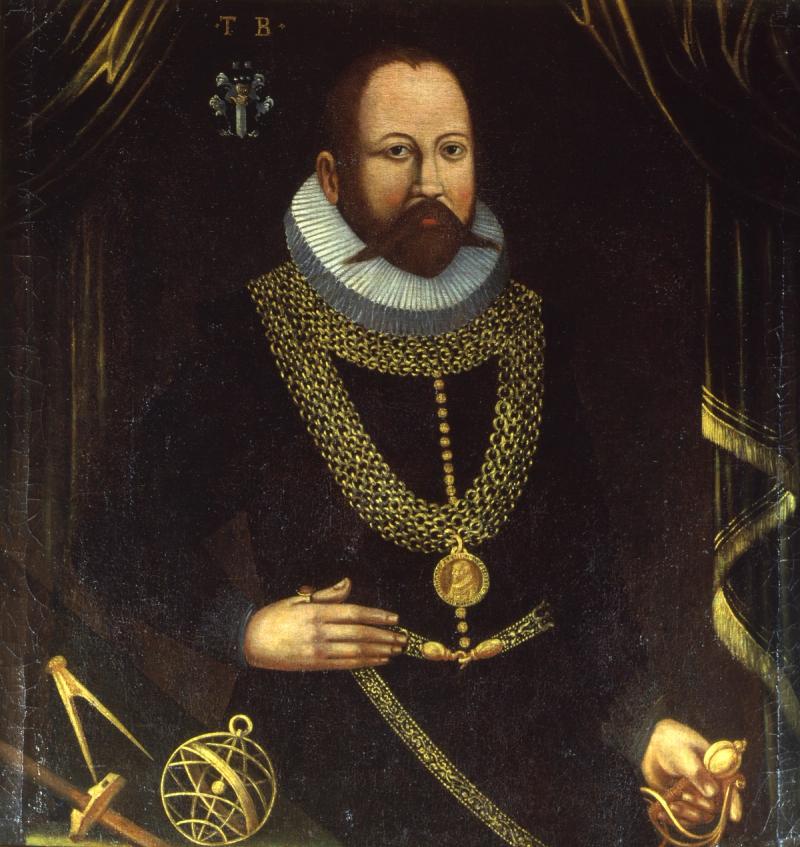
Tycho Brahe, nobleman and astronomer. The Brahe family coat of arms appears in the upper left corner. On the table are astronomical instruments: an armillary sphere, a Jacob’s staff and a pair of compasses. Unknown artist, c. 1590.
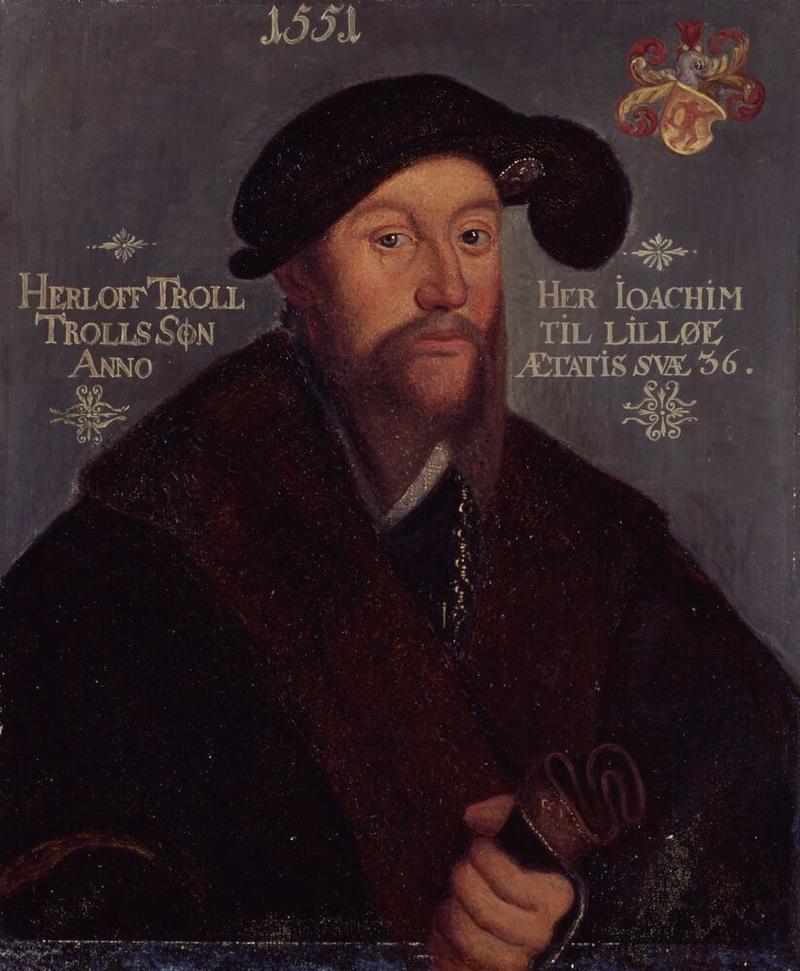
Herluf Trolle, 1516–1565, Admiral of the Realm. Carl Lange, 1915. Copy after a painting at Herlufsholm dating from 1551.

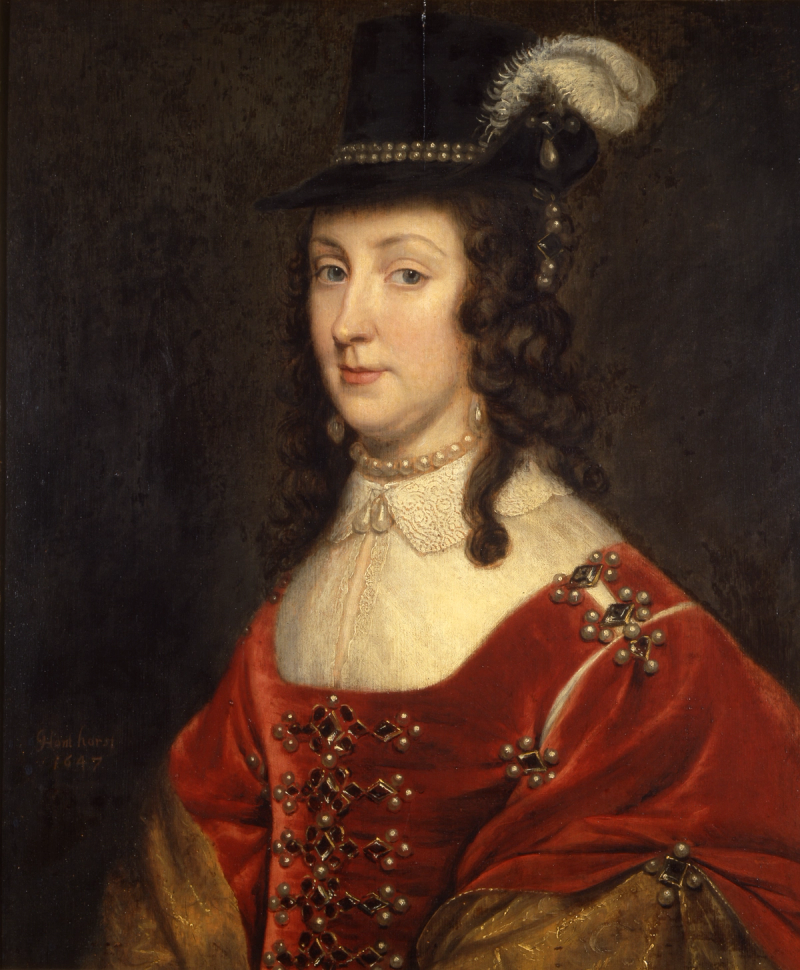
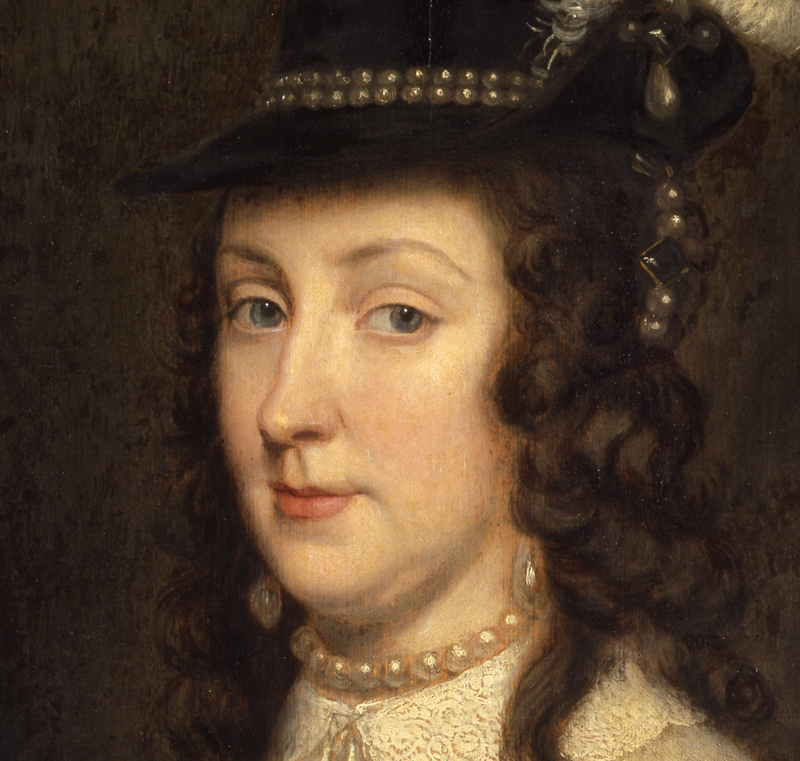
Leonora Christina by Honthorst

Frederiksborgs Mona Lisa

A single, even light source from the right brings the face and its details into relief. Honthorst uses a form of sfumato, a technique also employed by Leonardo da Vinci. Colours and tones blend so softly that no sharp outlines or brushstrokes are visible. You can find Frederiksborg’s Mona Lisa in Room 31.
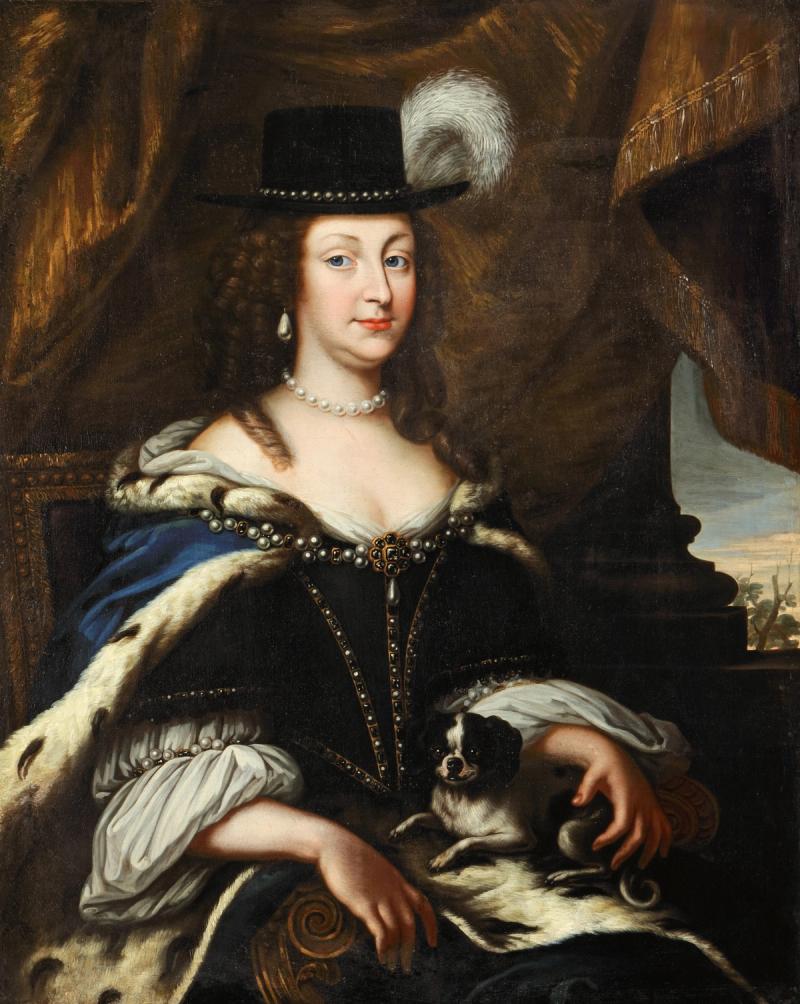
Leonora Christina
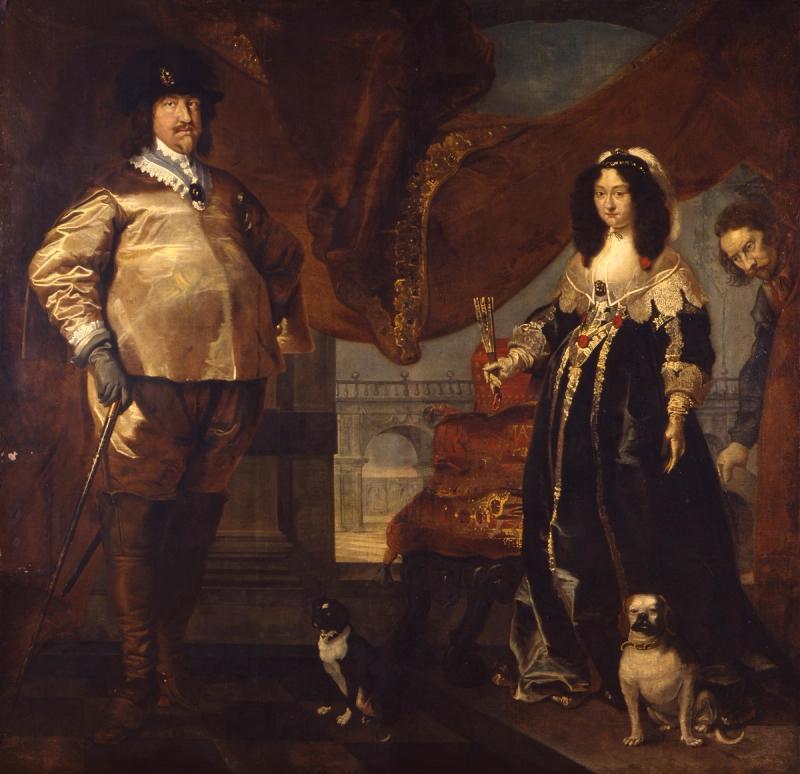
Christian, 1603–1647, the Prince-Elect, son of Christian IV. Together with Magdalena Sibylla, 1617–1668, wife of Christian, the Prince-Elect. Christian IV’s eldest son, who died before his father. Karel van Mander, 1641–42.
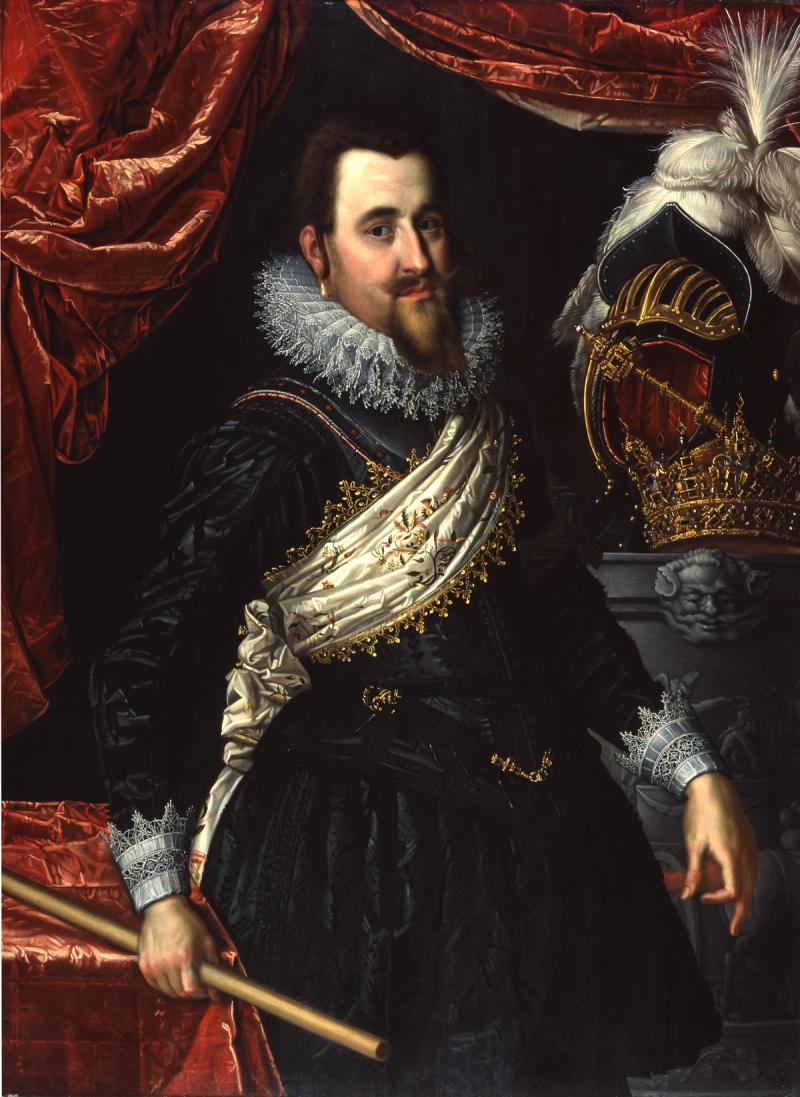
Christian IV, 1577–1648, king from 1596 to 1648. Pieter Isaacsz, c. 1611–1615.
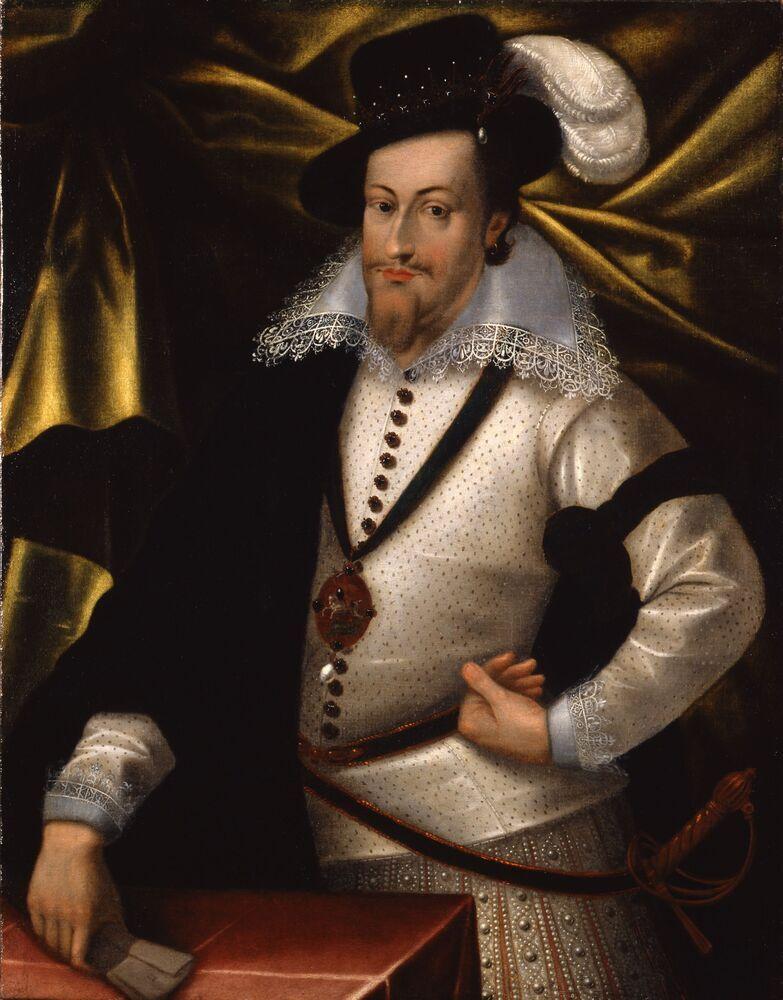
Marcus d.y. Gheeraerts Christian 4. (1606)

History paintings, 1500–1600

Unlike the portraits, the few history paintings depicting the period 1500–1660 in the permanent collection were painted in the late 19th century. They reflect the National Romantic movement’s ambition to create shared images of the nation’s defining events. There are a few exceptions, including the large genealogical panels.
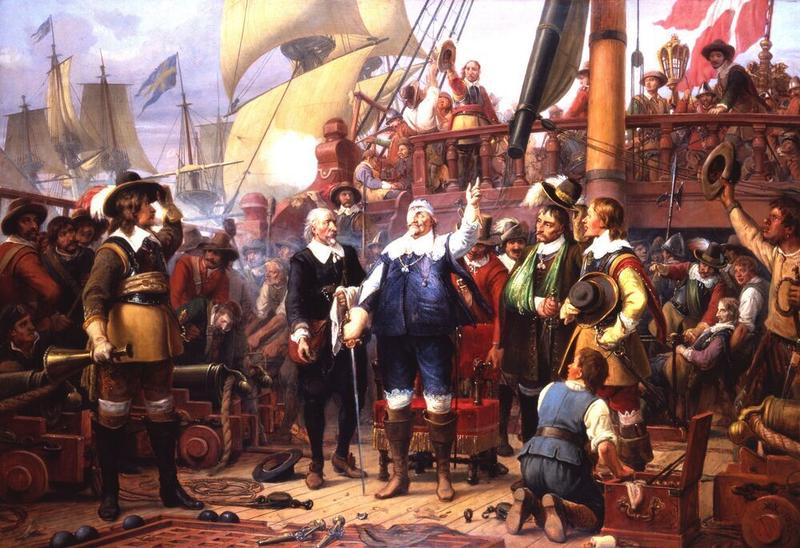
Nicolai Wilhelm Marstrand Christian IV aboard the Trefoldigheden. Sketch for a mural in Christian IV’s Chapel at Roskilde Cathedral.
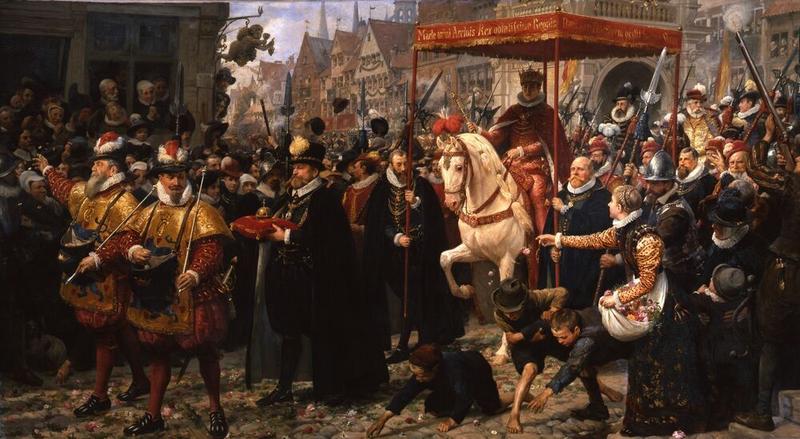
Christian IV’s coronation procession, 1596. Otto Bache, 1887.
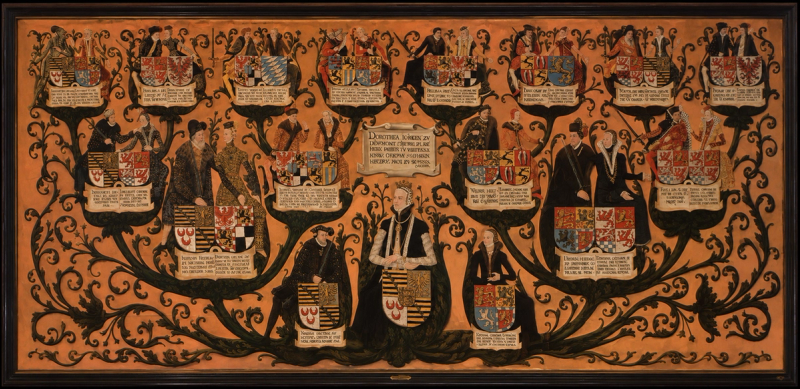
Dorothea’s genealogical panel. Unknown artist, c. 1570. Originally displayed in the chapel at Sønderborg Castle. Acquired by the museum at Frederiksborg in 1930.
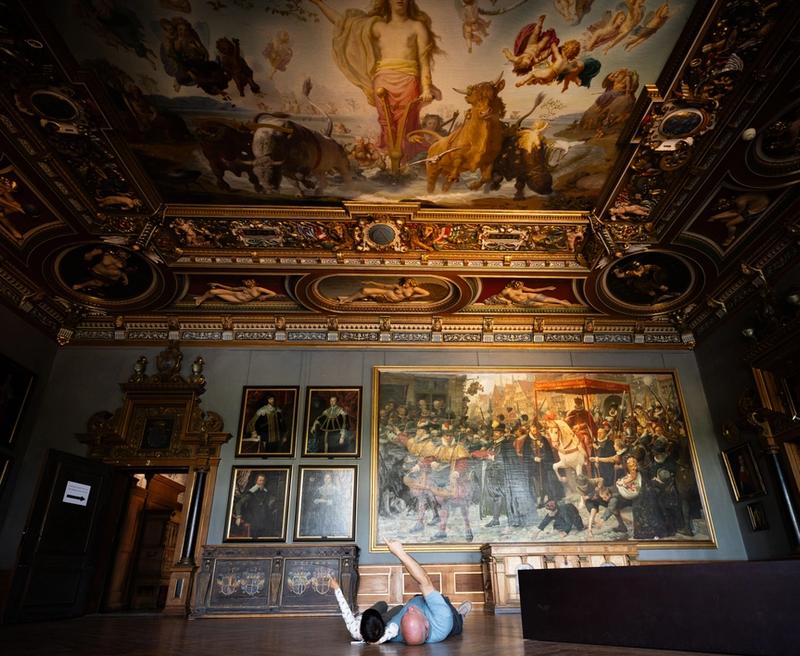
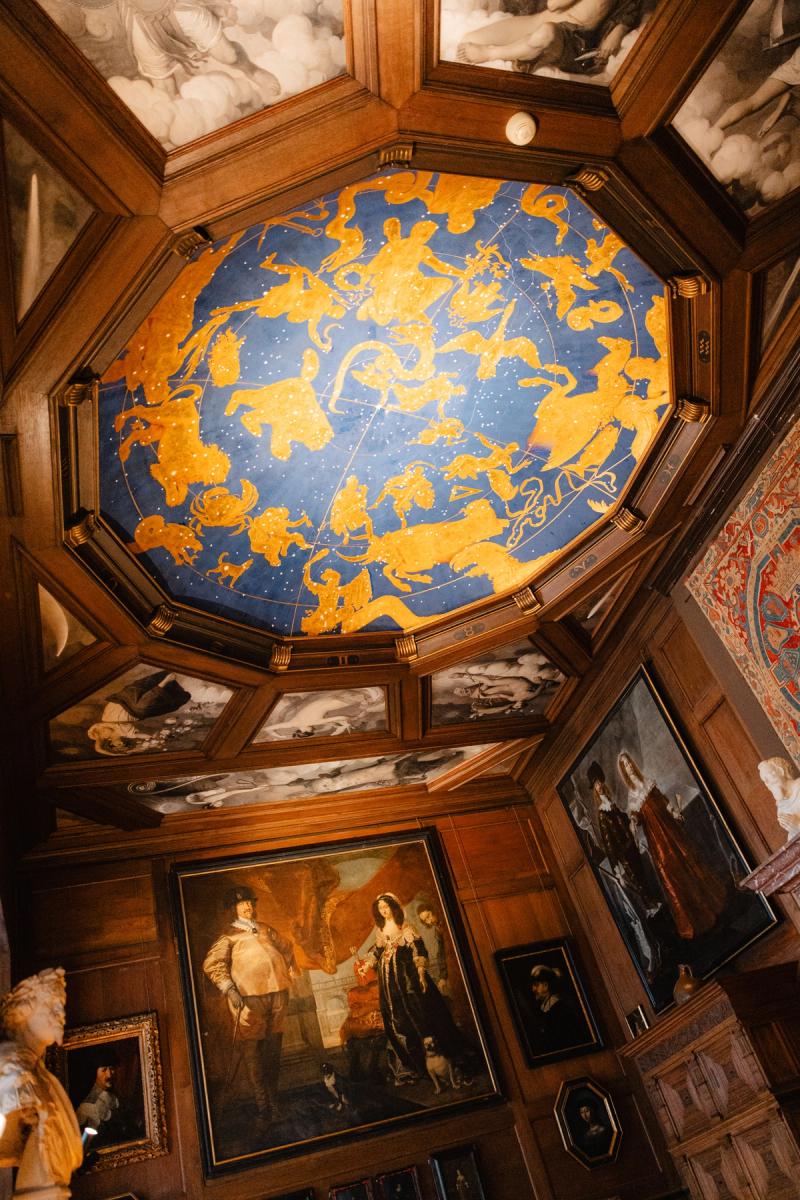
In the ceiling painting in Room 30, above the portraits and paintings from the time of Christian IV, Lorenz Frølich depicts Gefion, who transformed her sons into oxen and ploughed Zealand out of Sweden!
Two people lying on the floor

Design and decorative arts of the period

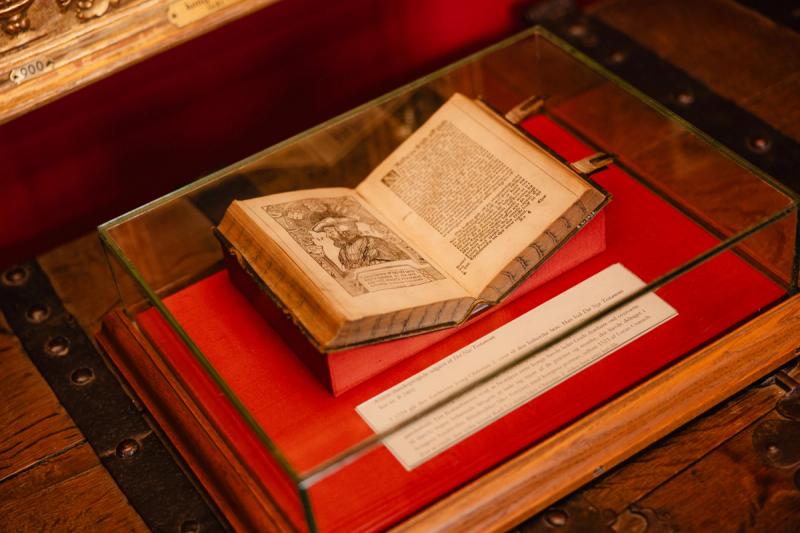
The first translated Bible, instruments, chests, cupboards and yet more chests. Discover the interiors and design of the period in Rooms 25–31 of the King’s Wing.
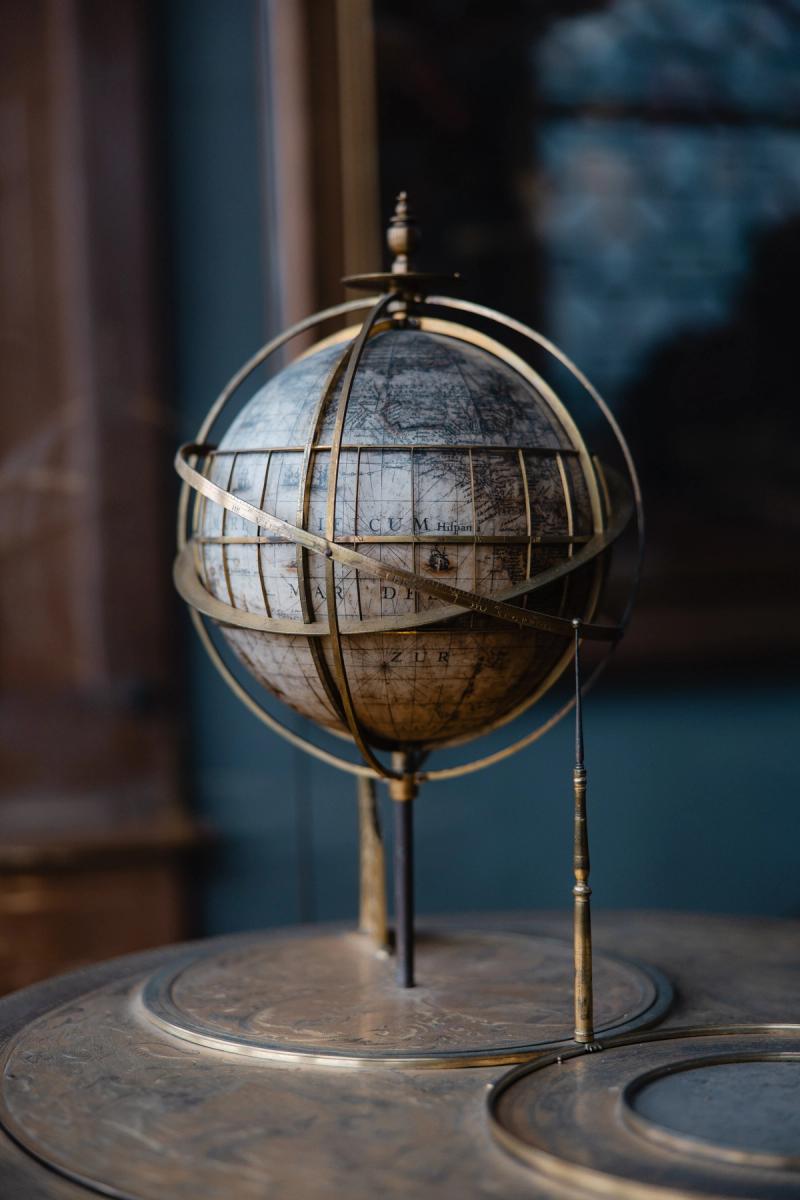
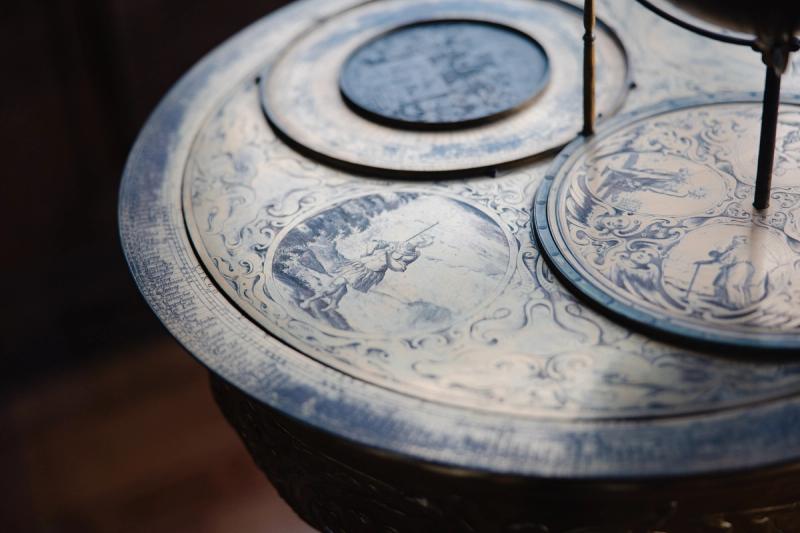
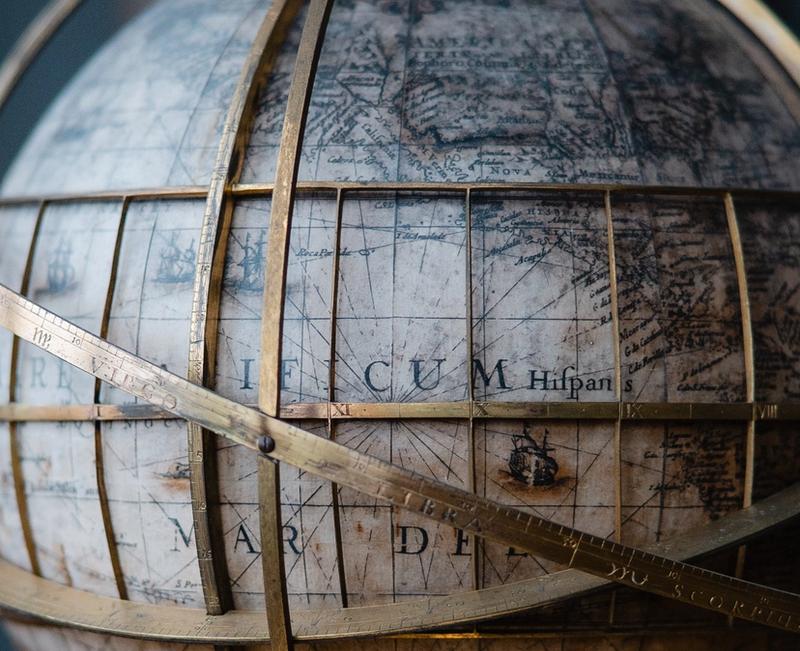
Tellurium, astronomical clock. Made by Nikolaus Siebenhaar, 1644–1651. Gilded copper on a carved wooden base. Designed to show the time, date, phase of the Moon and positions of the constellations. Made for Duke John of Gottorp, Prince-Bishop of Lübeck.
Detail of an object. Tellurium.
Christian 2.'s nye testamente. Det ældste danske bibeltryk. Den første reformatoriske udgave på et folkesprog udenfor Tyskland. 1524.
Stue 31
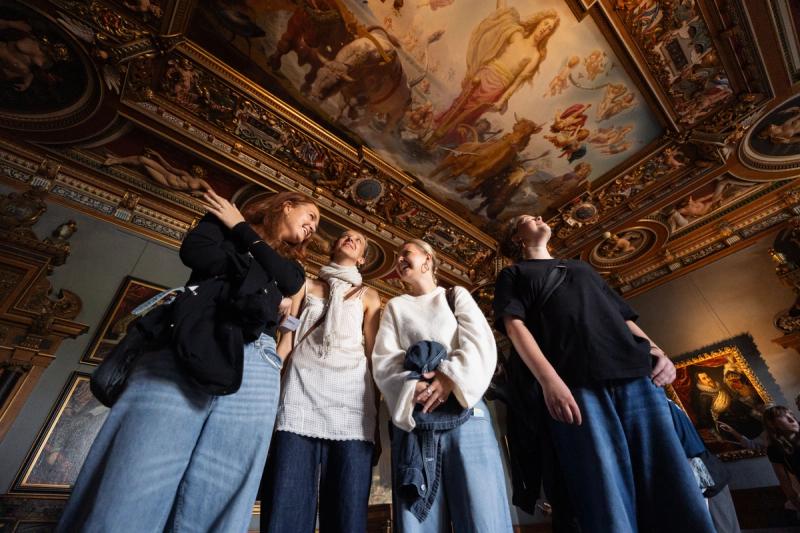
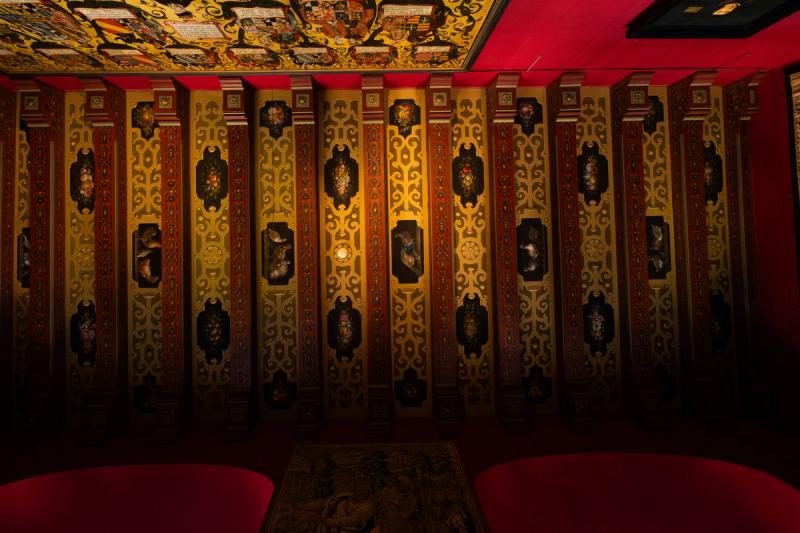
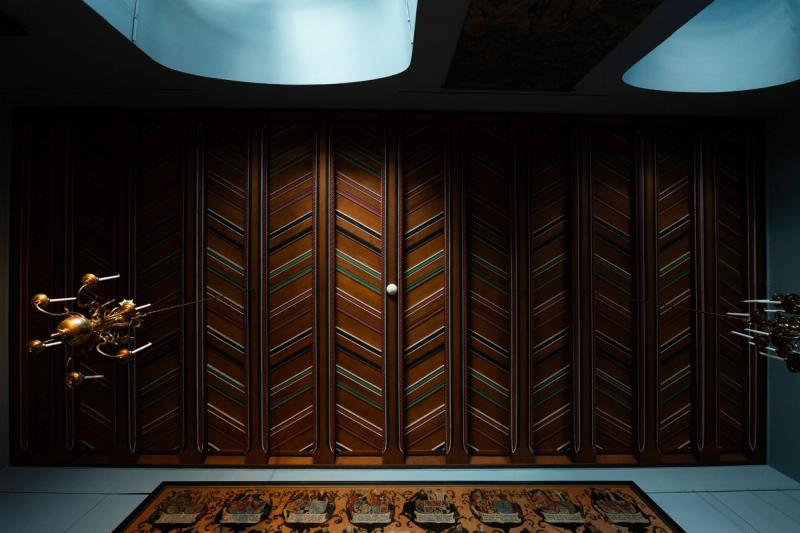
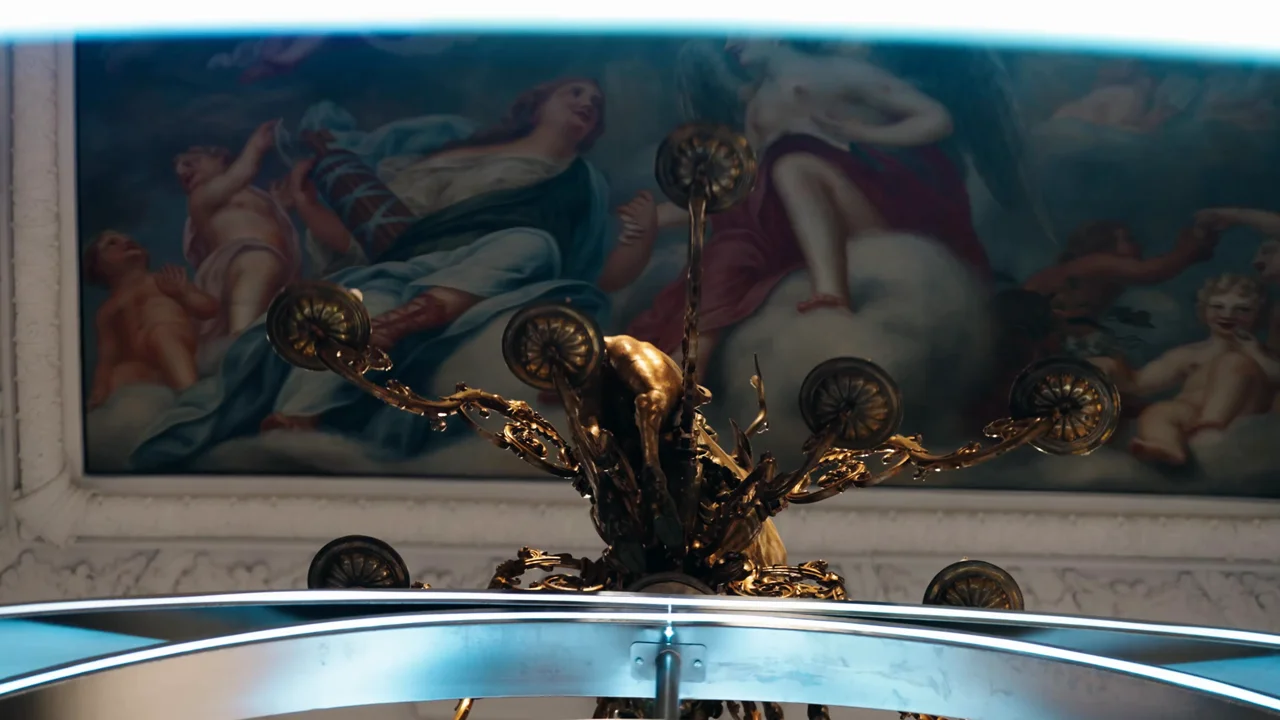
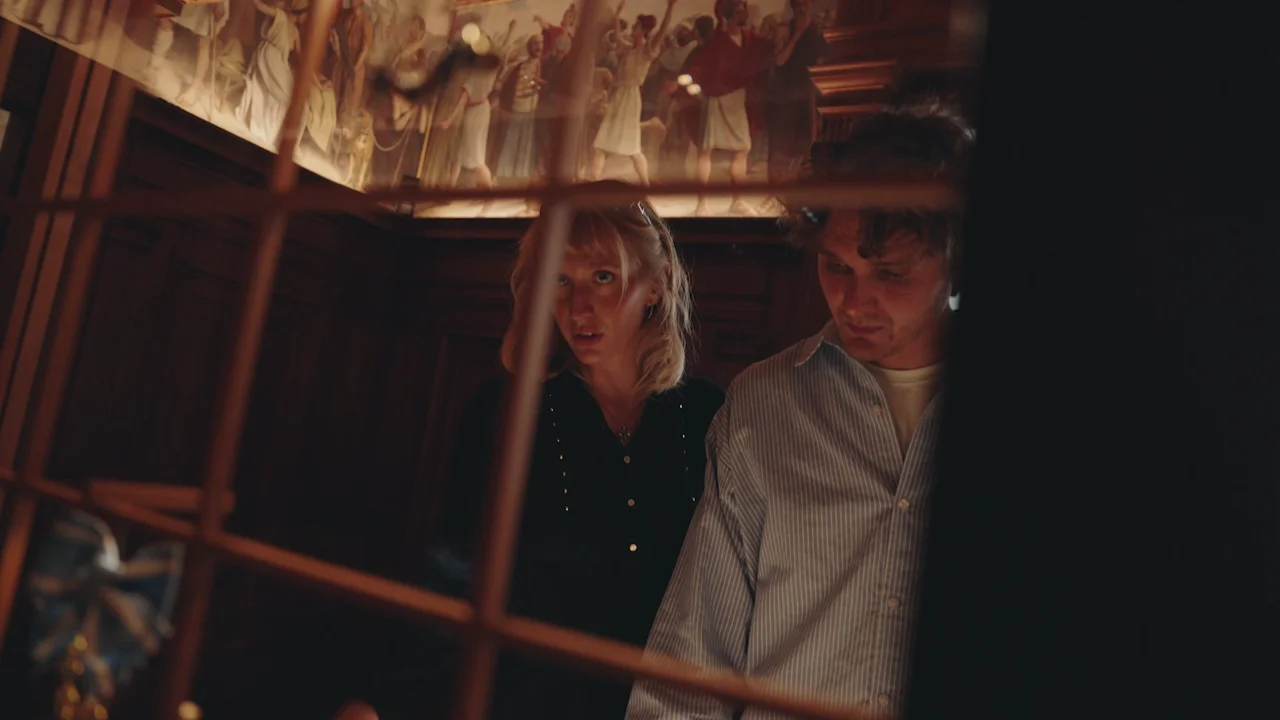
Don’t forget to look up.
It’s a ceiling! Above Dorothea’s genealogical panel, which you can just make out at the bottom of the picture.

See also