1800-1900
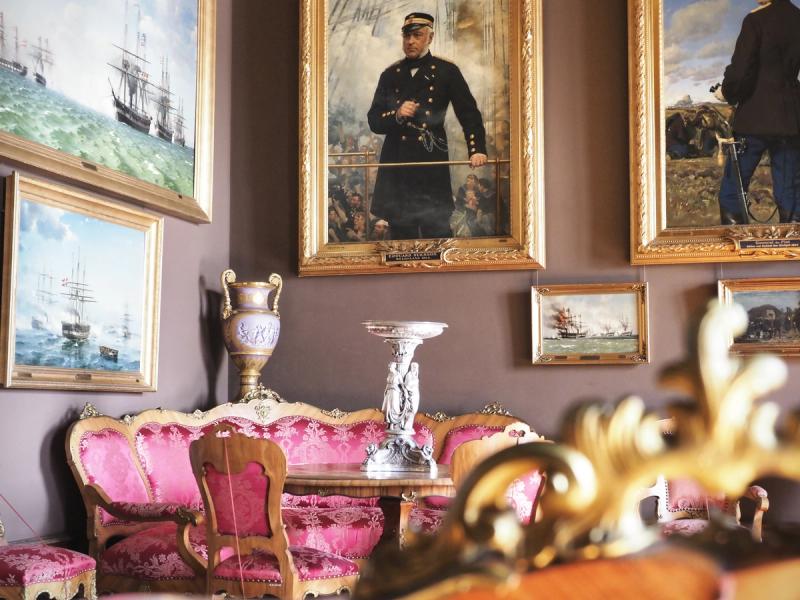
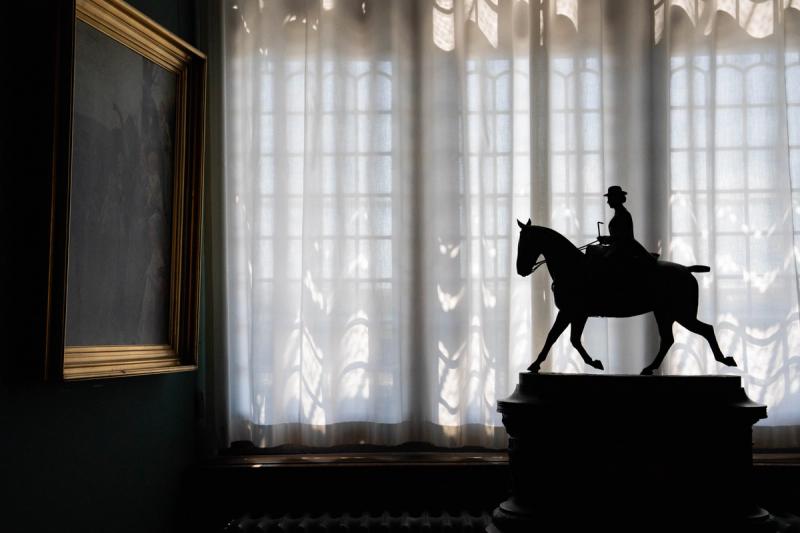
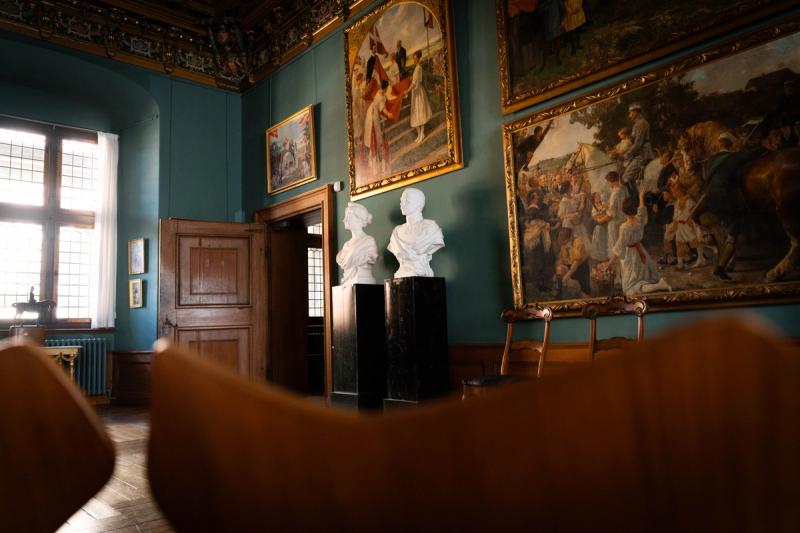
Colourful salons, gilded frames and war heroes on horseback. Great dramas on canvas and new ideas about freedom and community. Step into a 19th-century world of National Romanticism and upheaval.
An age of change
Democracy, National Romanticism and the Modern Breakthrough: the 19th century brought great defeats and even greater changes. Denmark went bankrupt, lost Norway and later the duchies of Schleswig, Holstein and Lauenburg.
With the Constitution of 1849, absolute monarchy came to an end and new ideas about freedom and representative government gained ground. At the same time, National Romanticism flourished, while industrialisation and the Modern Breakthrough challenged traditional ideas about society and humanity.
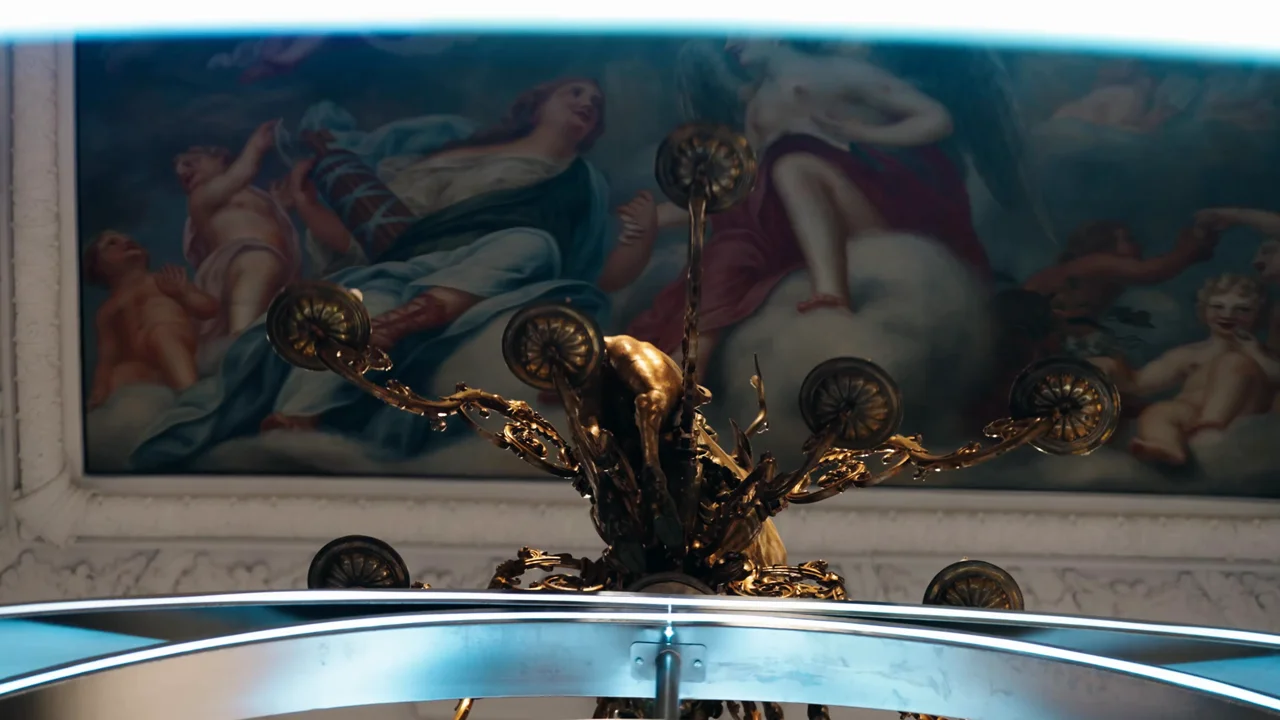
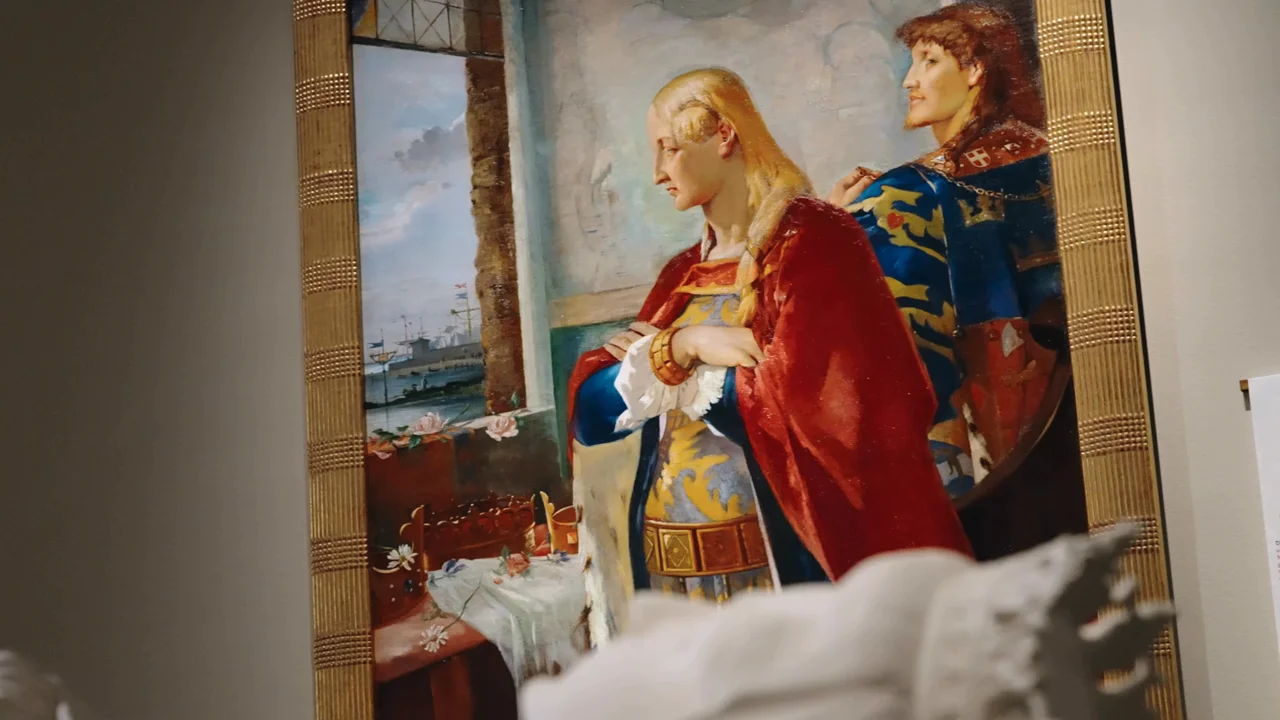
In the permanent exhibition covering 1800–1900, discover portraits, paintings and objects from this extraordinary period. Prepare to be immersed in the 19th century.

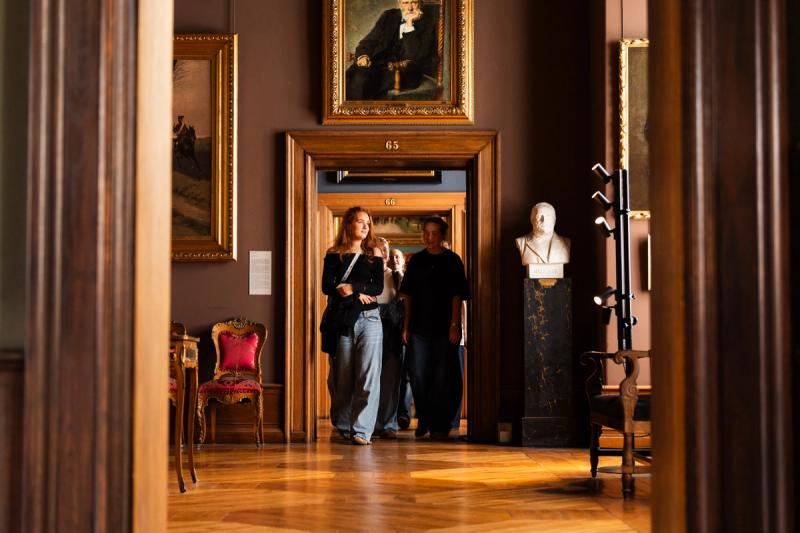
The Portrait Gallery 1800–1900: Who will you meet?
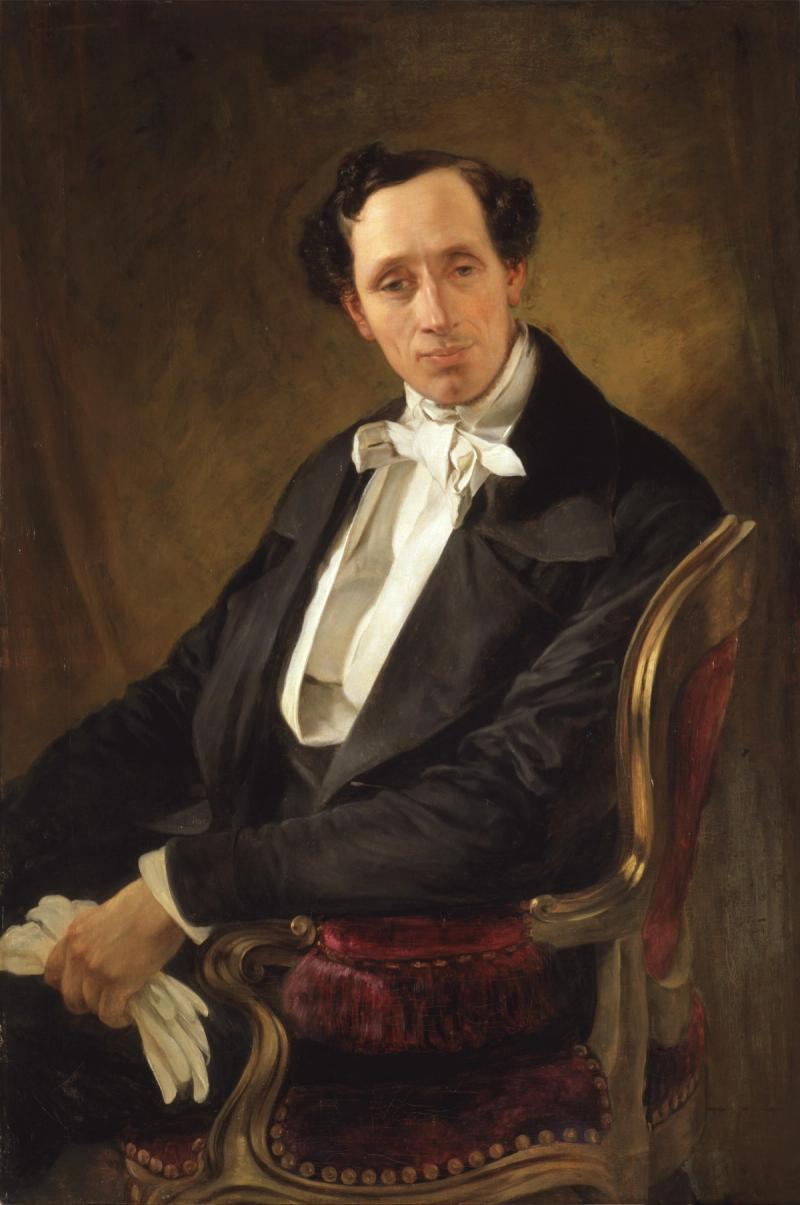
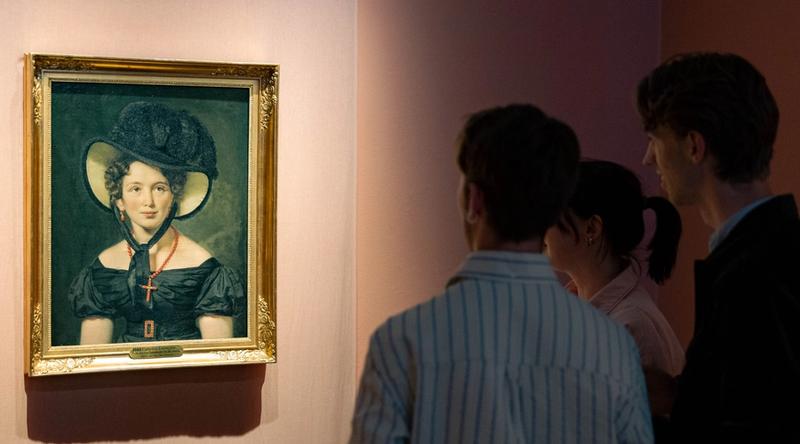
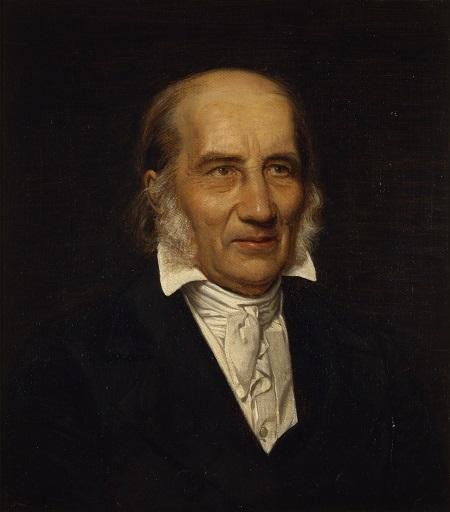
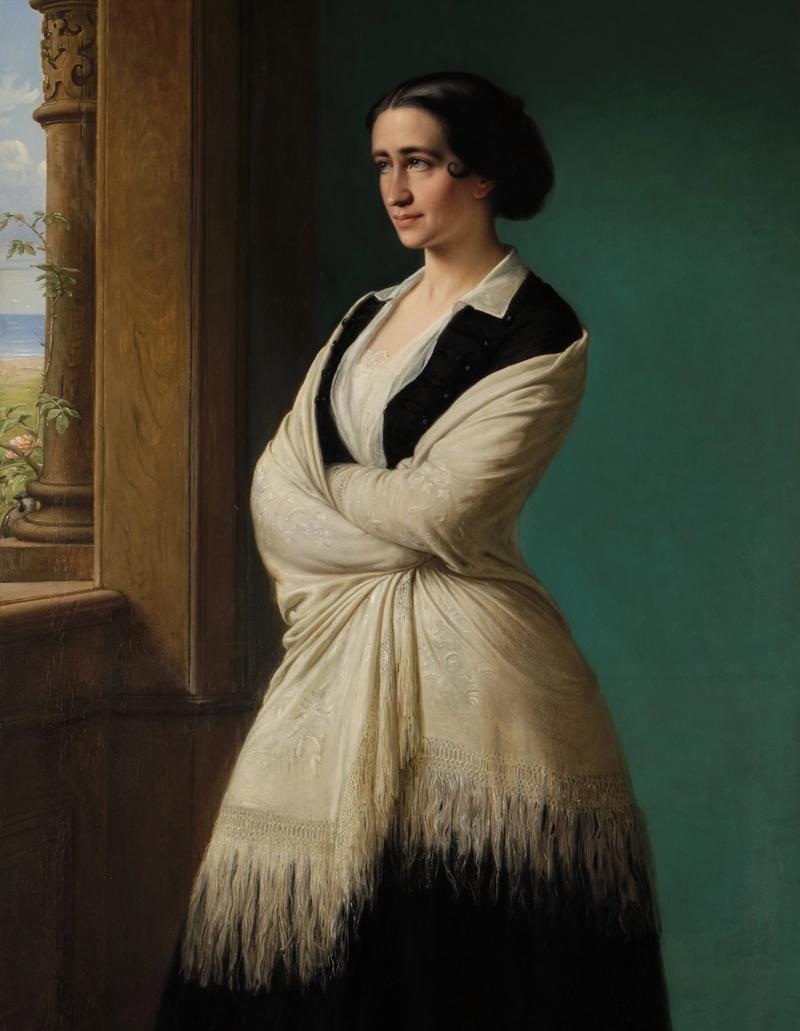
Strong women and war heroes. Writers and actresses. Champions of freedom and democracy. Great thinkers, artists and people who challenged the conventions of their time.
Meet the people behind the major events, movements and stories of 19th-century Denmark in this part of the permanent exhibition.
History Paintings 1800–1900
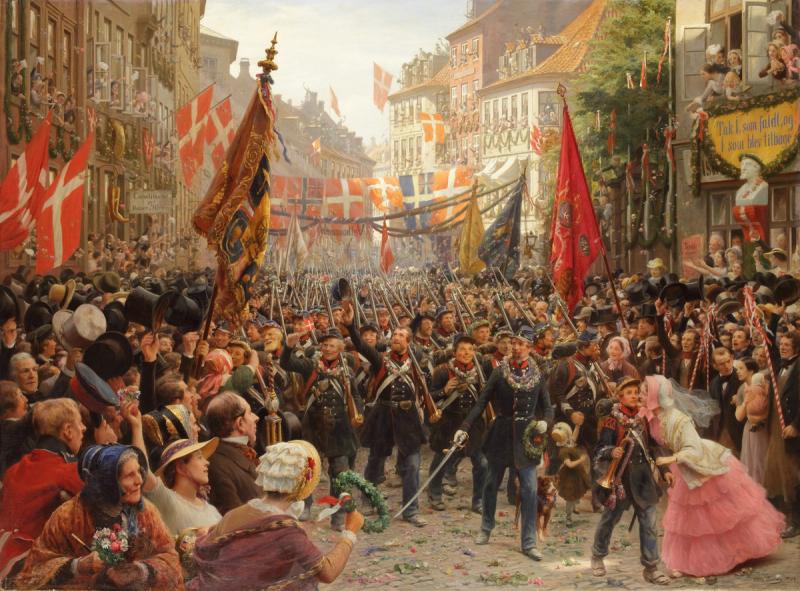
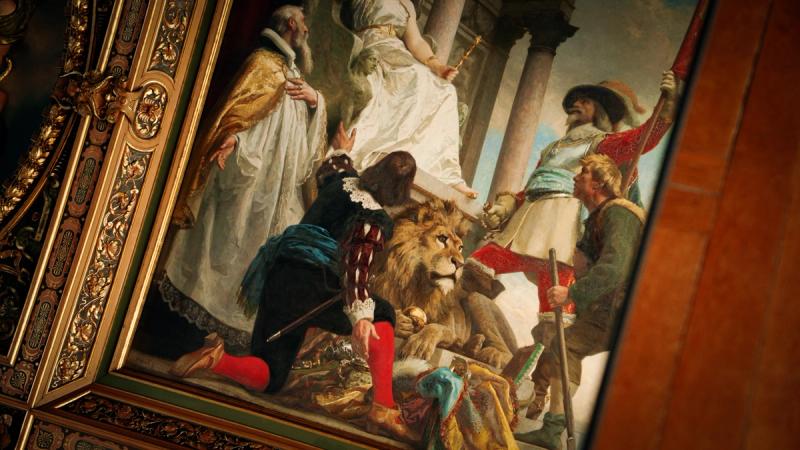
Many of Frederiksborg’s great history paintings were created in the late 19th century. They depict events from earlier centuries, but also reveal much about the time in which they were painted: national identity, the celebration of heroes and the desire to tell Denmark’s history through remarkable individuals and dramatic moments.
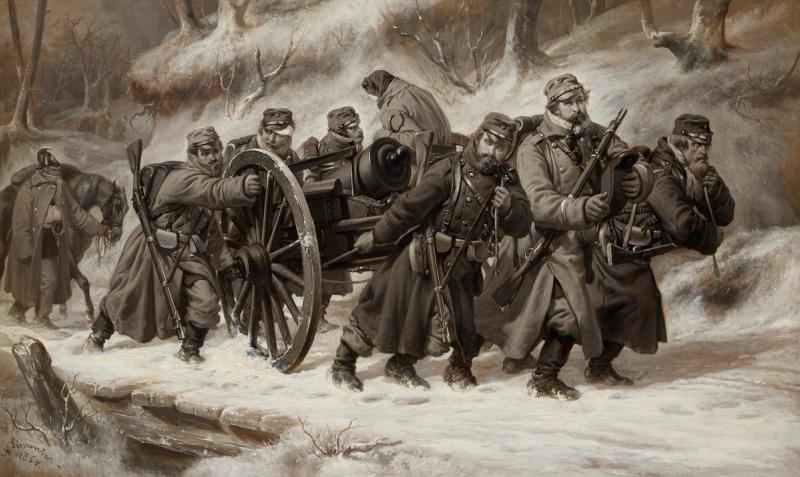
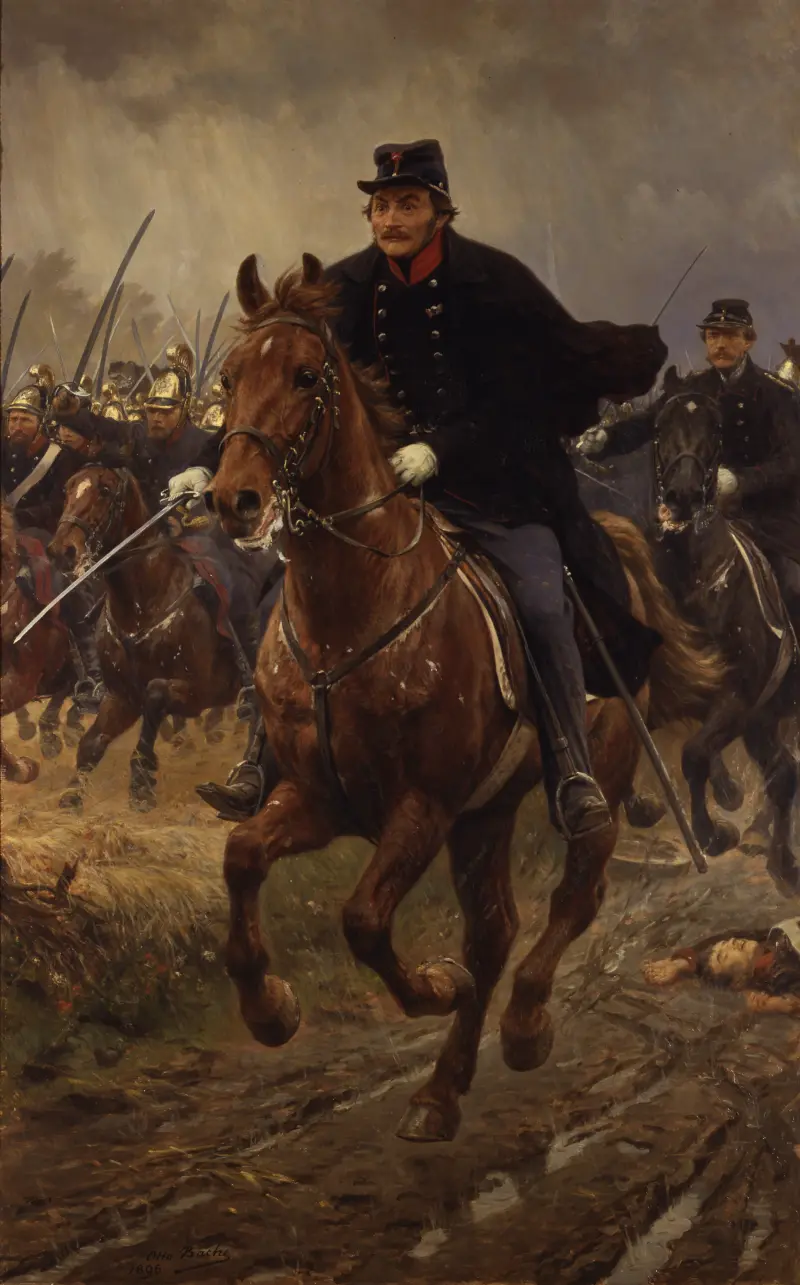
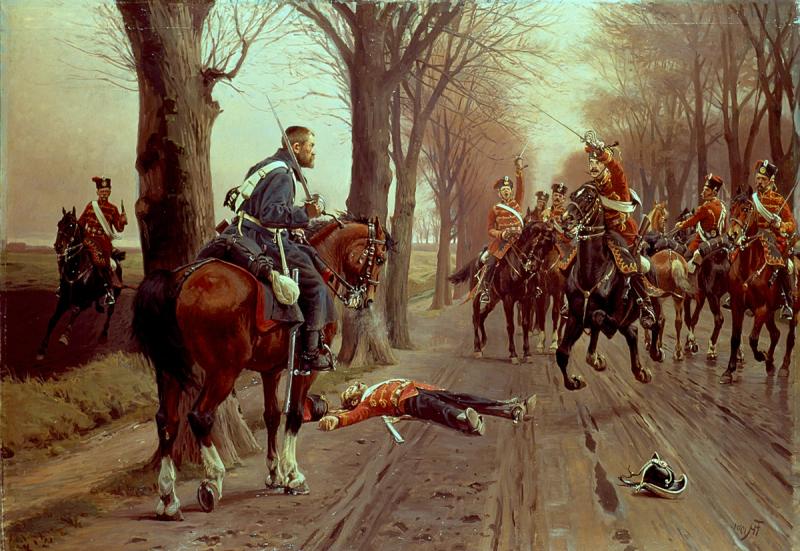
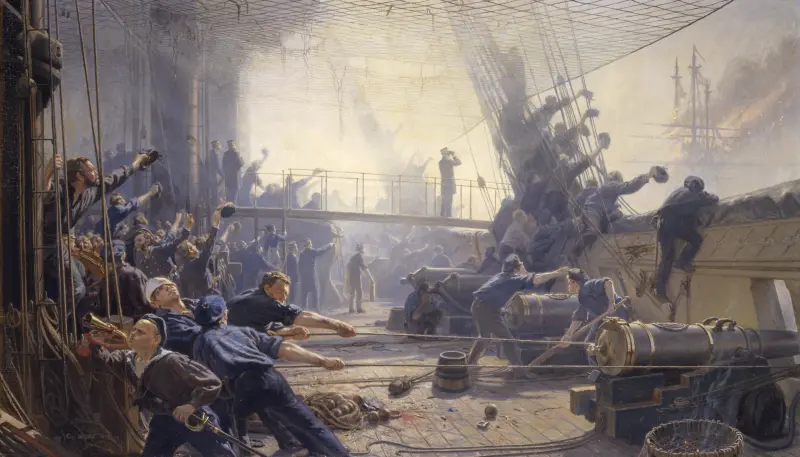
The wars of the 19th century also found their way onto canvas. With roaring cannons, soldiers in battle and generals on horseback, artists portrayed the Schleswig Wars and their heroes. Among them was Niels Simonsen, whose battle paintings brought the drama of war into art.
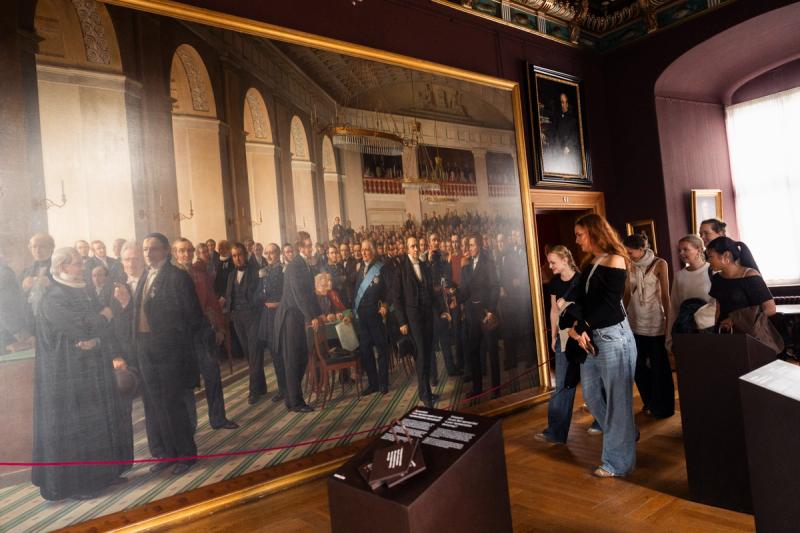
The Constitutional Assembly
The Constitutional Assembly, painted by Constantin Hansen between 1860 and 1864, is one of Frederiksborg’s major works. It depicts the assembly’s first meeting. The monumental painting shows its members, but N. F. S. Grundtvig has also found his way into the vanishing point.
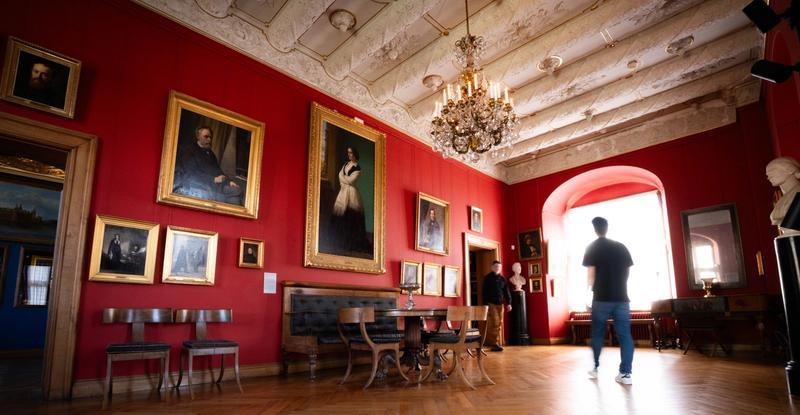
Step into the 19th century
Design and Decorative Arts
Empire style and Historicism. The period rooms are little windows into the past, with furniture, artworks and objects arranged to reflect the changing styles of the 19th century.
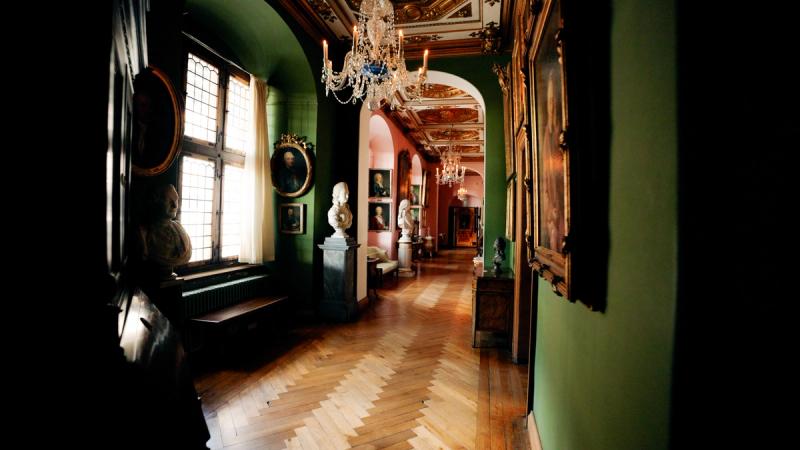
More about this part of the permanent exhibitions
See also
 Permanent exhibition
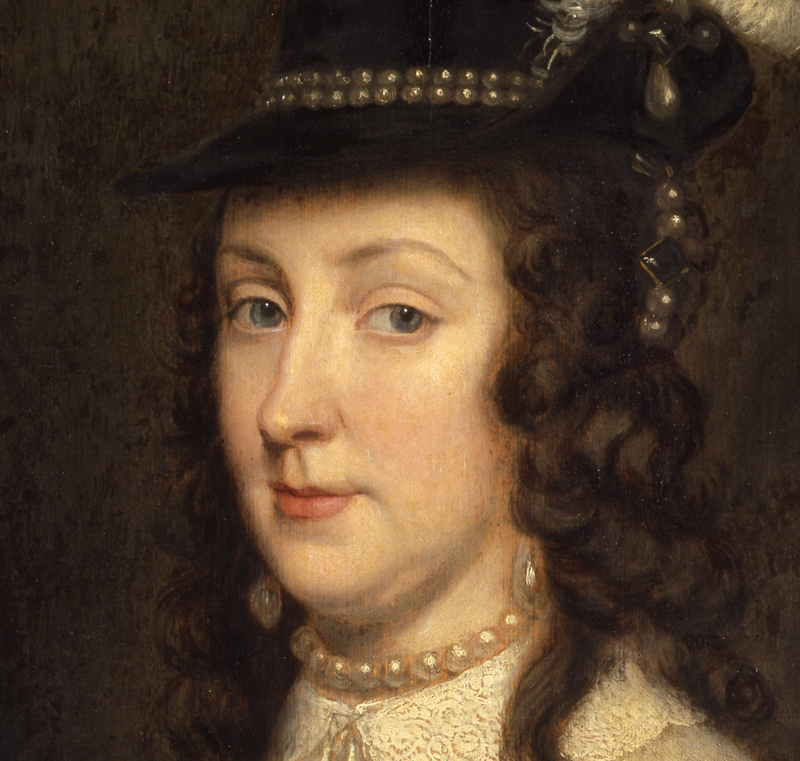
1500-1660
 Permanent exhibition
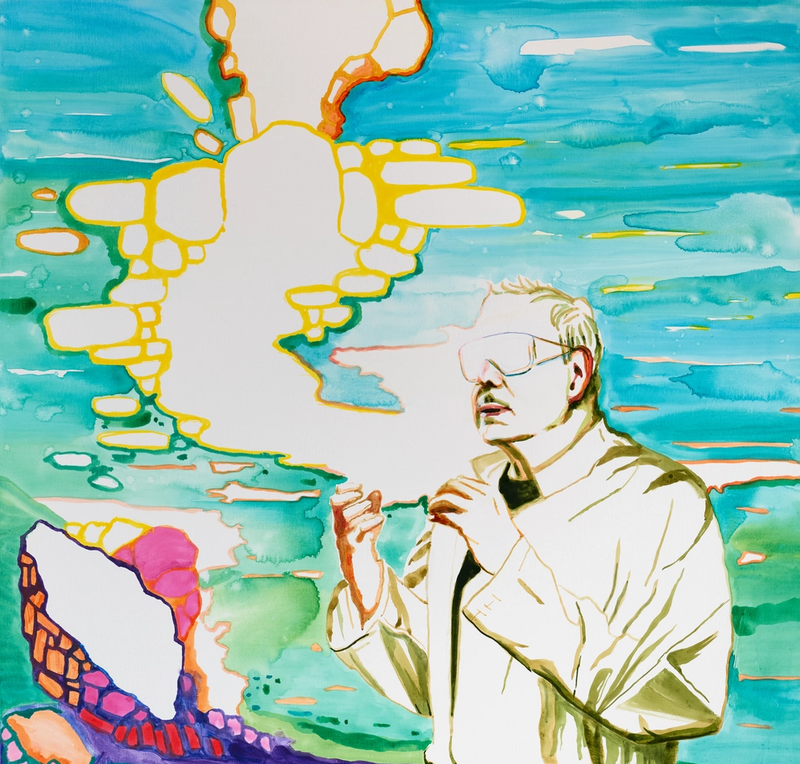
1900 to the present day
- Permanent exhibition
The Chamber of Orders