About Frederiksborg: Art and culture in a unique setting
Download pakkenScroll for downloads.
Photos must be credited with title + stated photographer + Frederiksborg. Drone video is available by request.
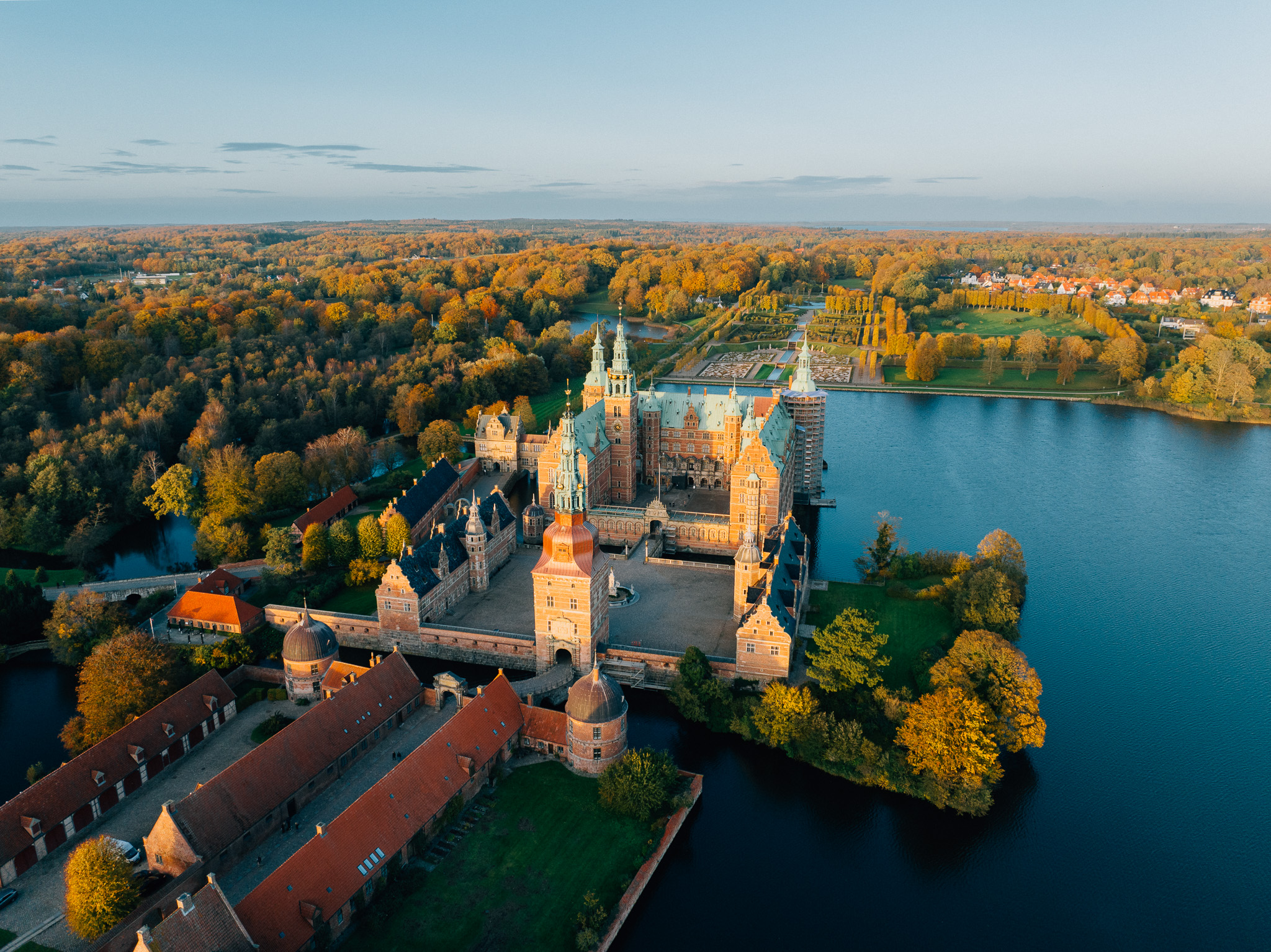
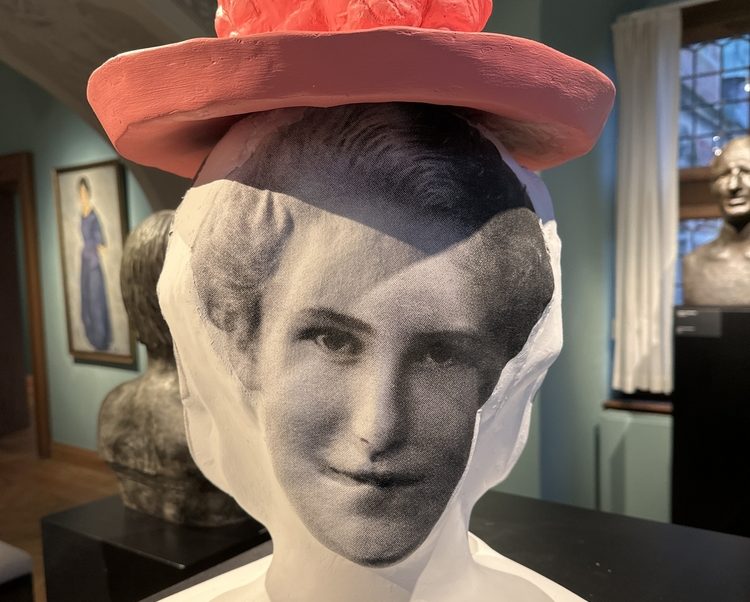
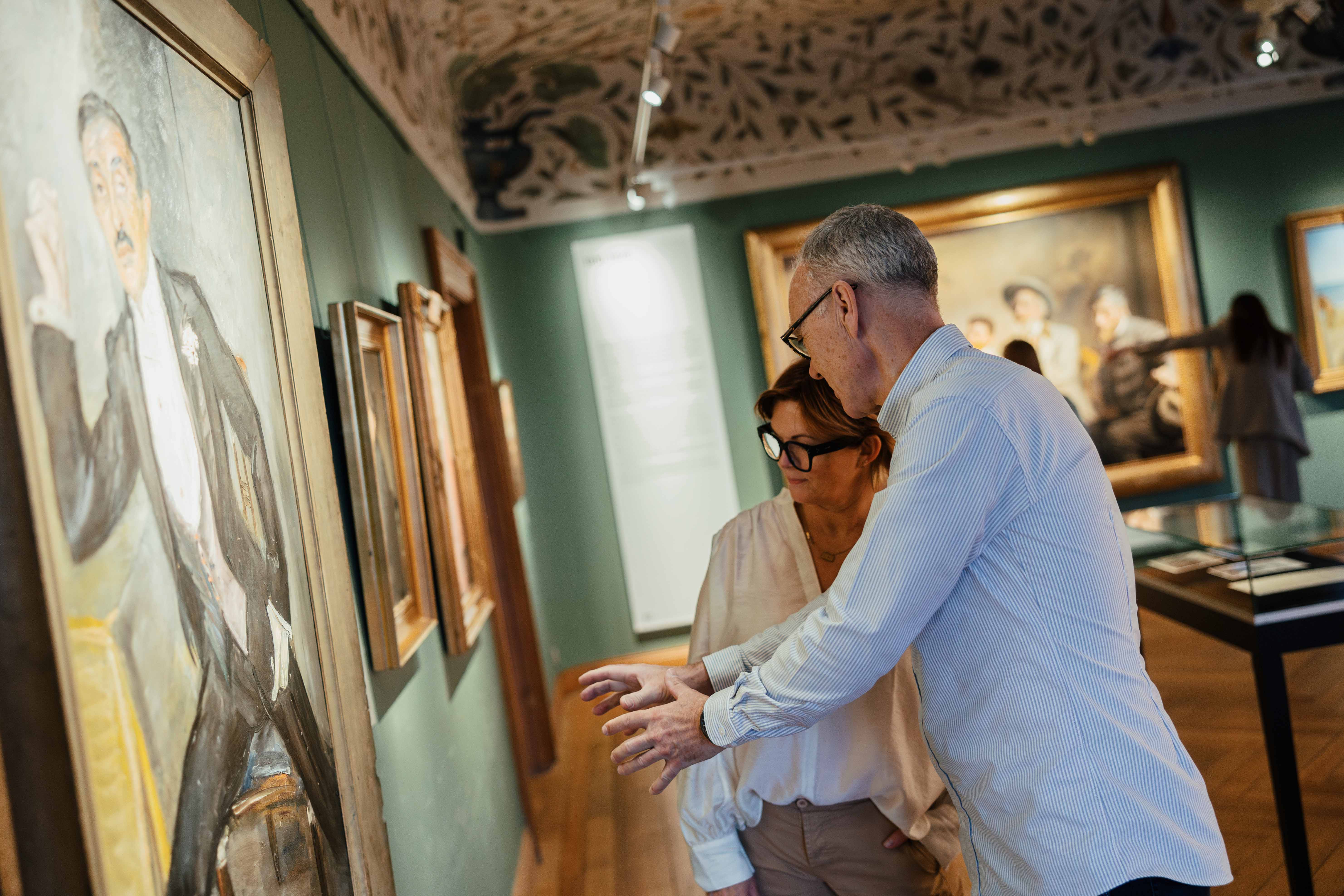
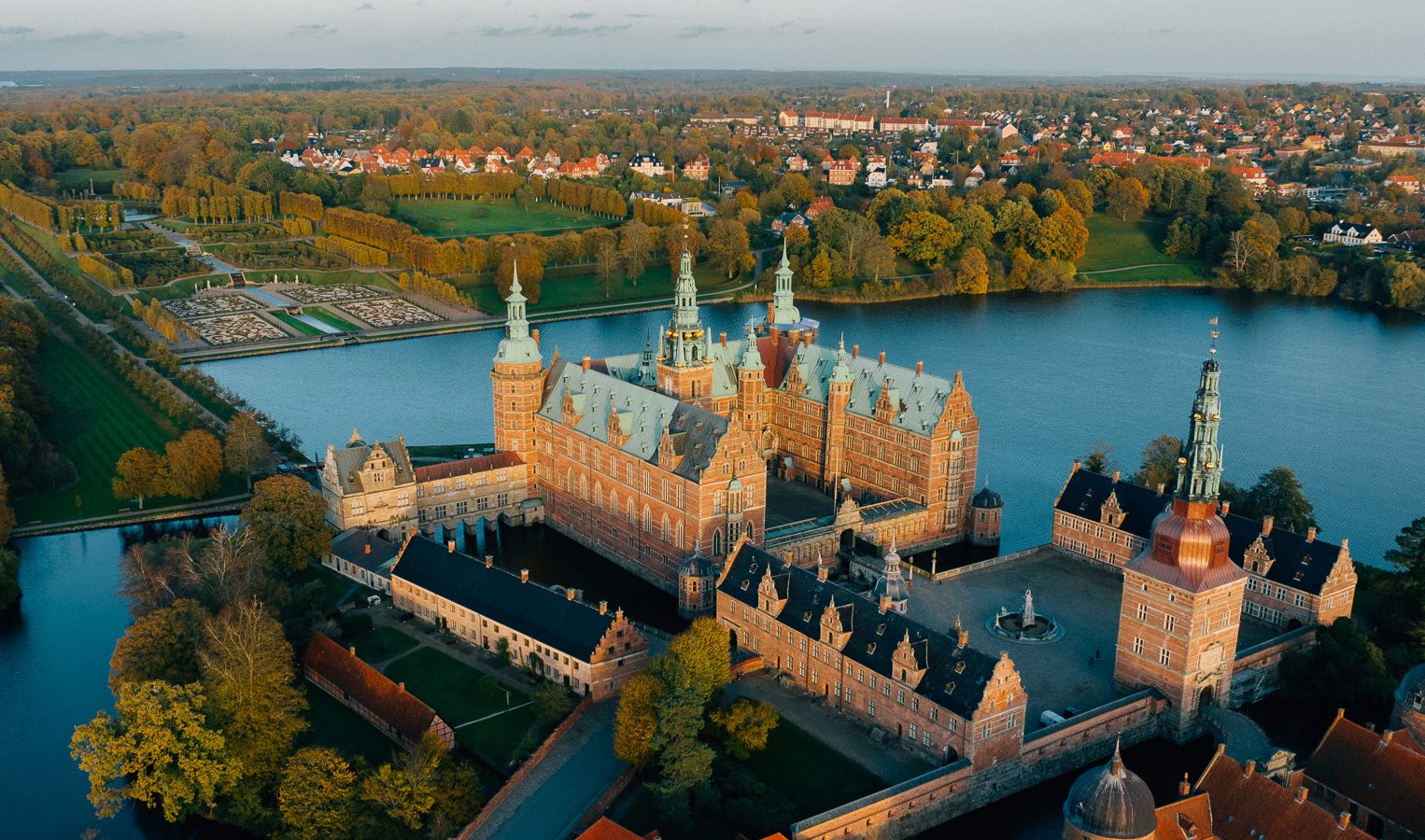
Scandinavia’s largest Renaissance complex, Frederiksborg Castle, is home to the National Portrait Gallery and serves as a museum of Danish history, offering insight into the people, identity, art and cultural heritage of Denmark.
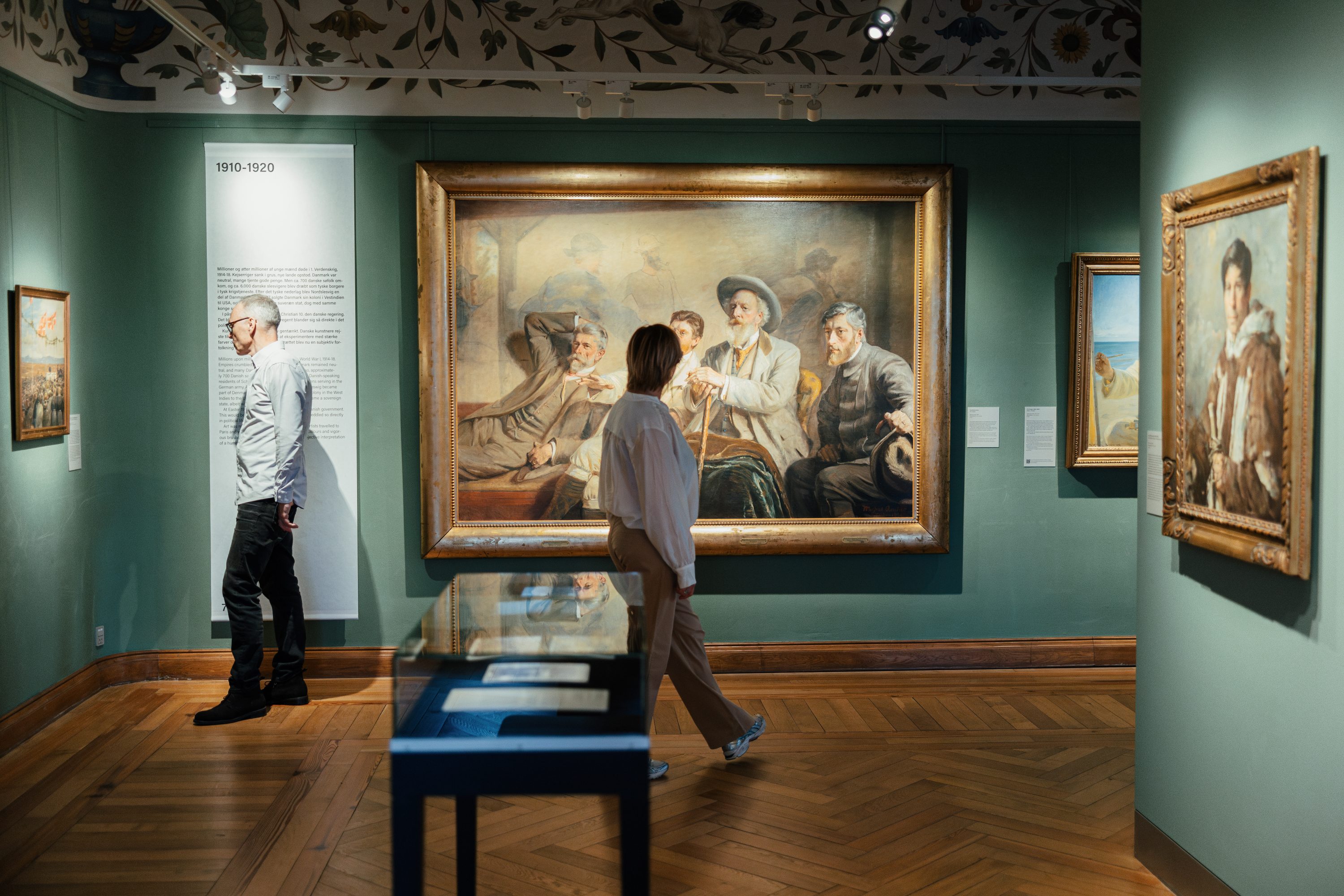
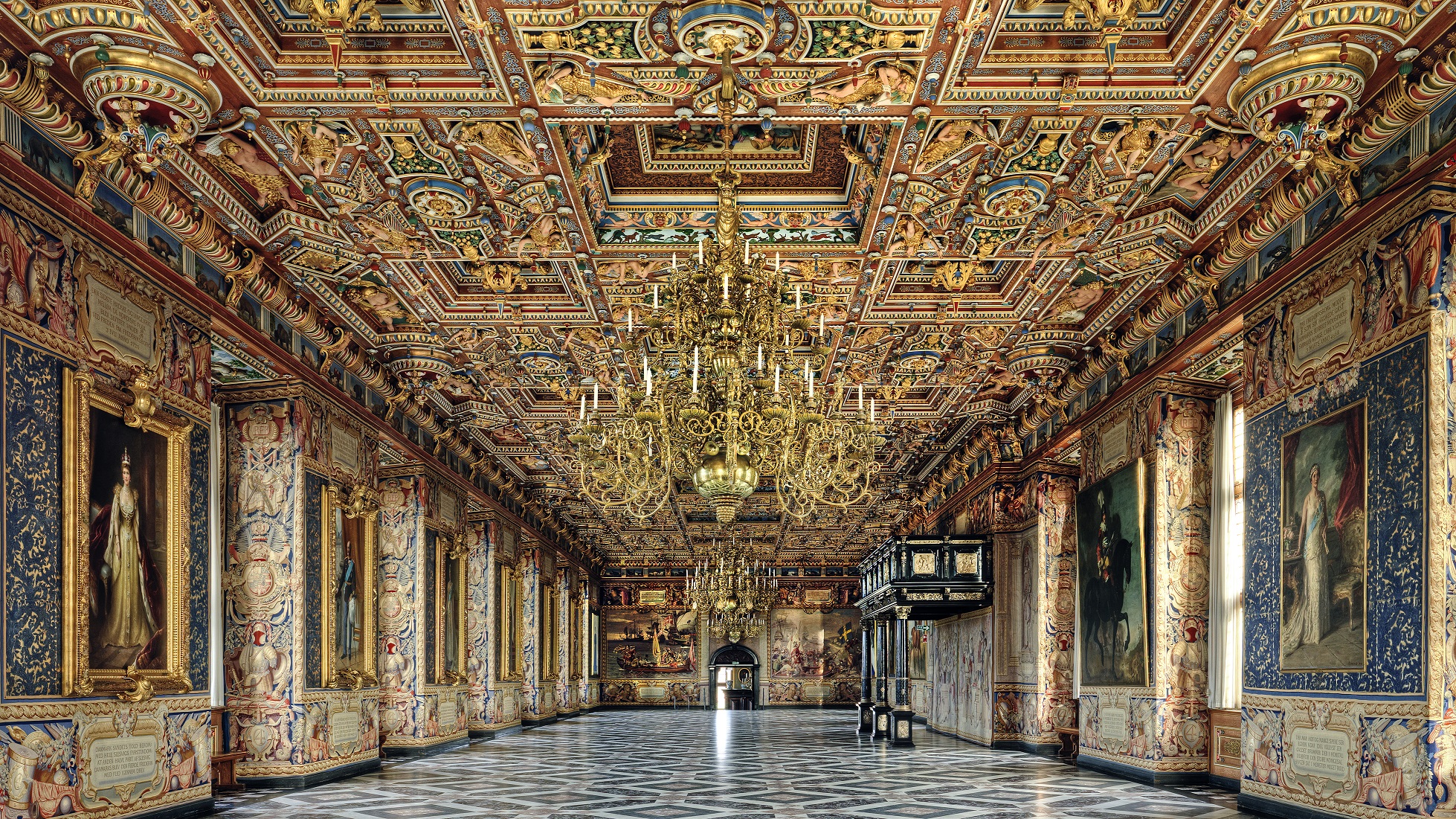
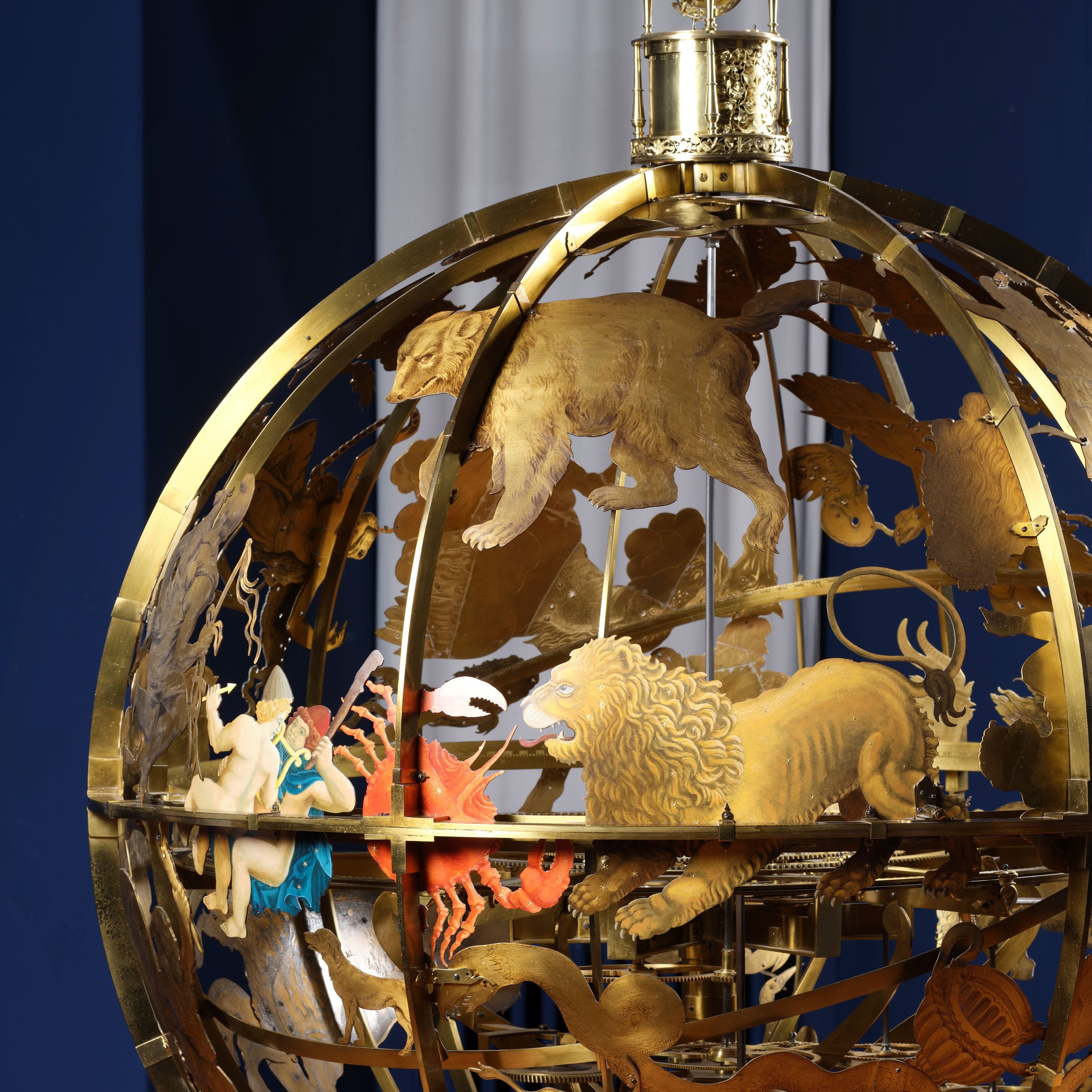
For centuries, Frederiksborg Castle served as a royal residence and the ceremonial church of the absolute monarchy. Today, it stands as one of Denmark’s most significant cultural institutions, embodying national heritage through architecture, art and, most importantly, the people portrayed within its walls. As a museum of national history and the National Portrait Gallery, the museum spans the entire castle and includes access to the impressive Castle Church, the Great Hall, the Audience Chamber, and countless richly decorated rooms with painted and gilded ceilings. The vast collection of portraits and history paintings is complemented by royal porcelain, silver, clocks, furniture and decorative arts. Whether you choose to explore the majestic surroundings or the enormous art collection, Frederiksborg invites you to experience art and culture in a unique setting.
Power, pioneers and pharmaceuticals
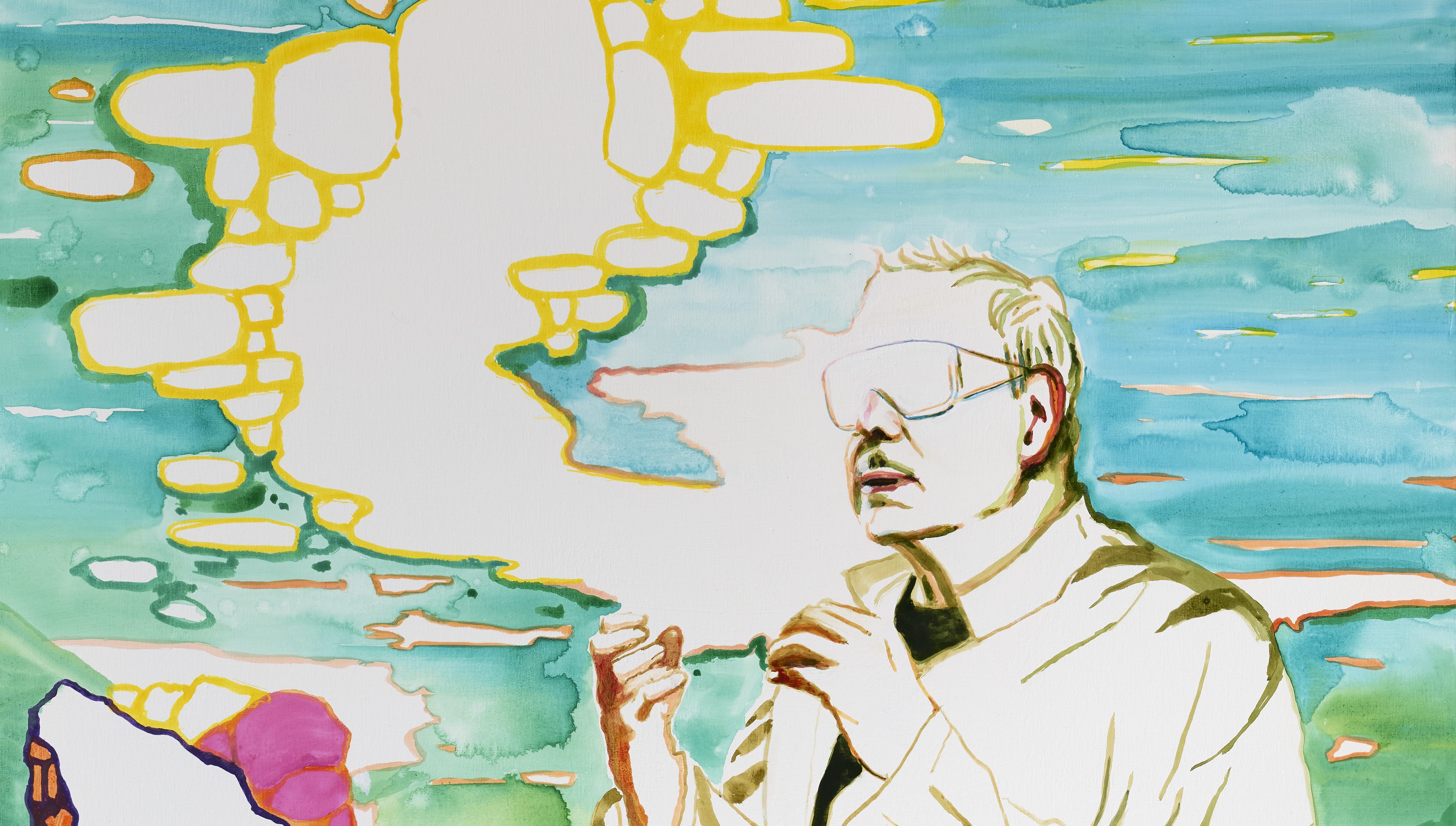
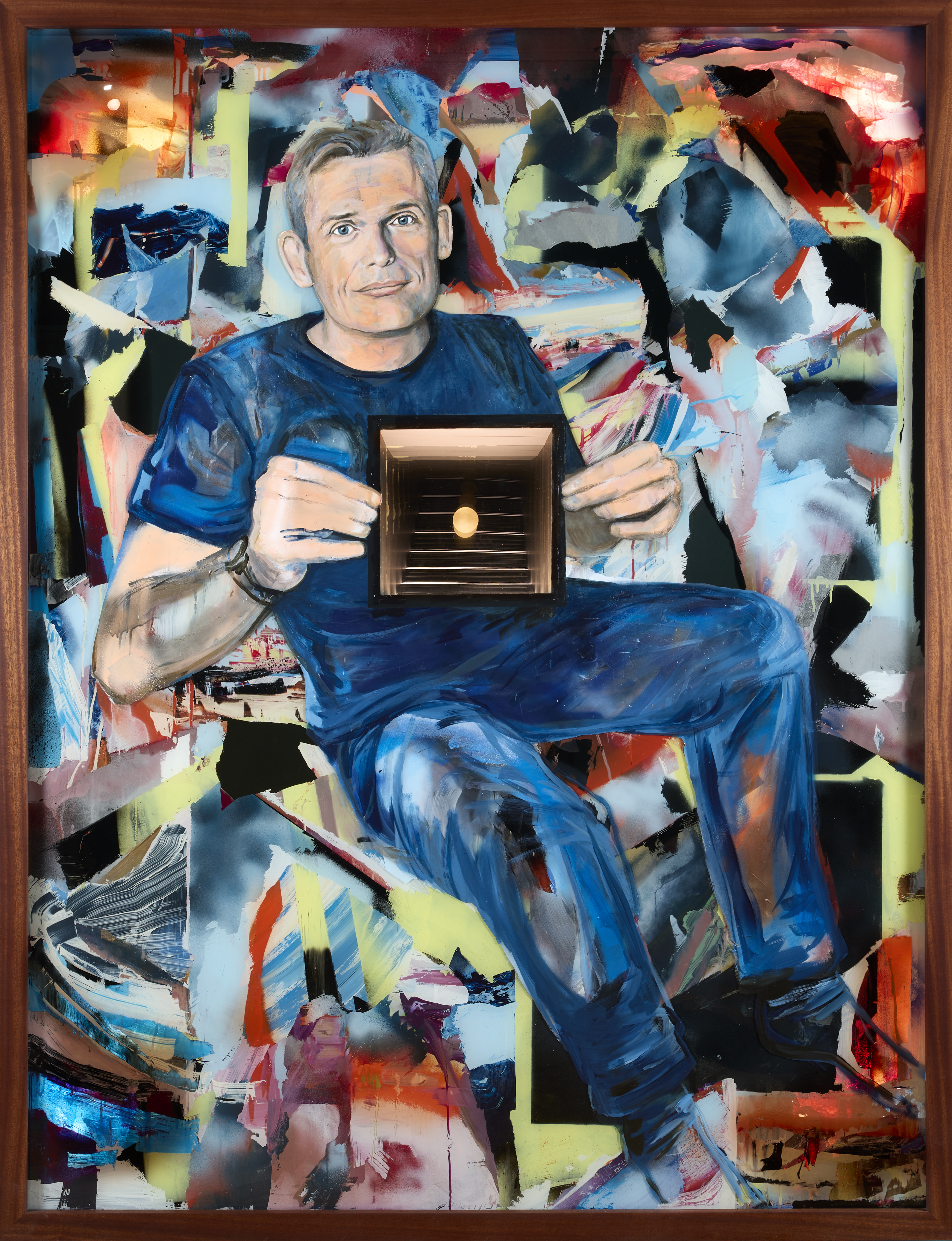
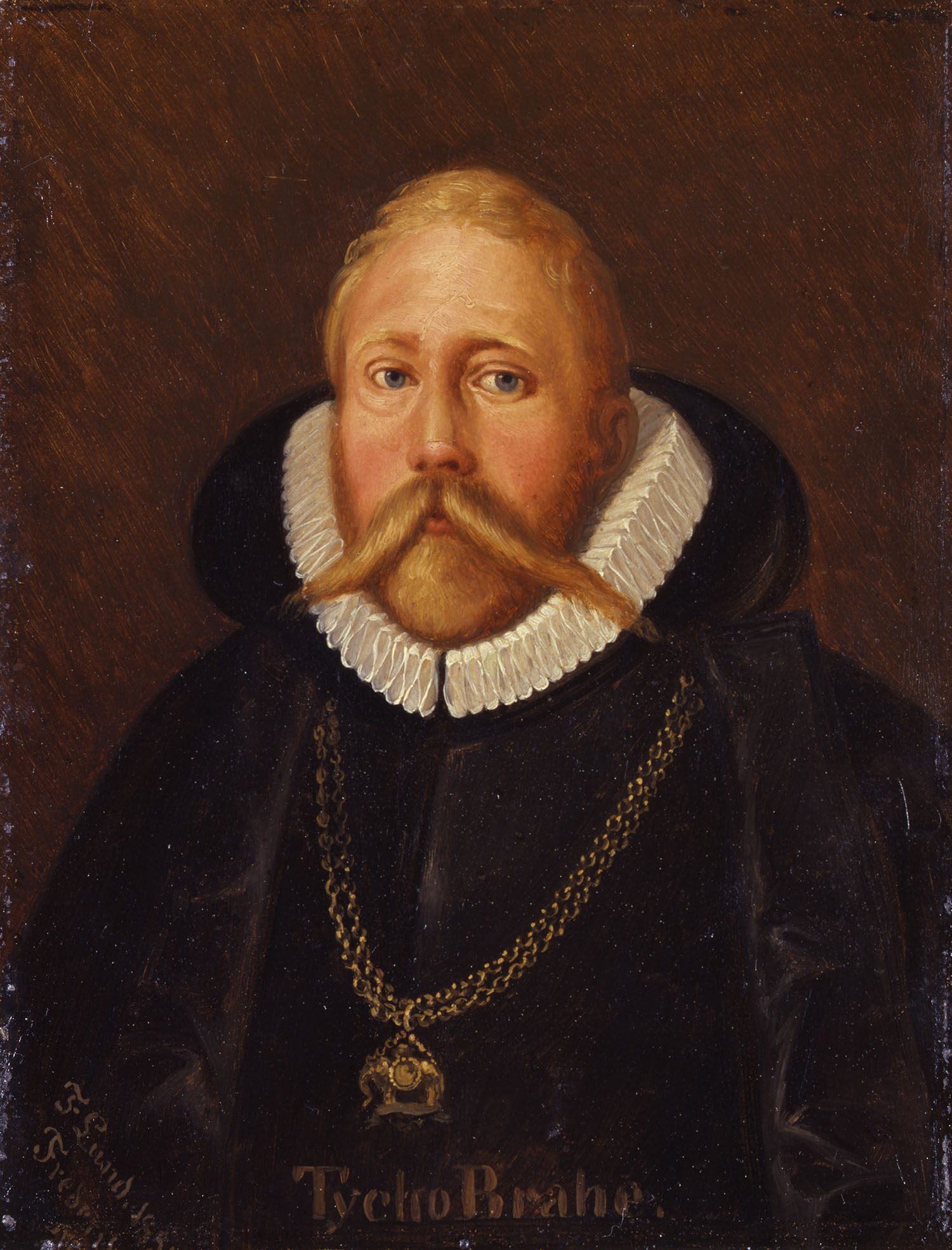
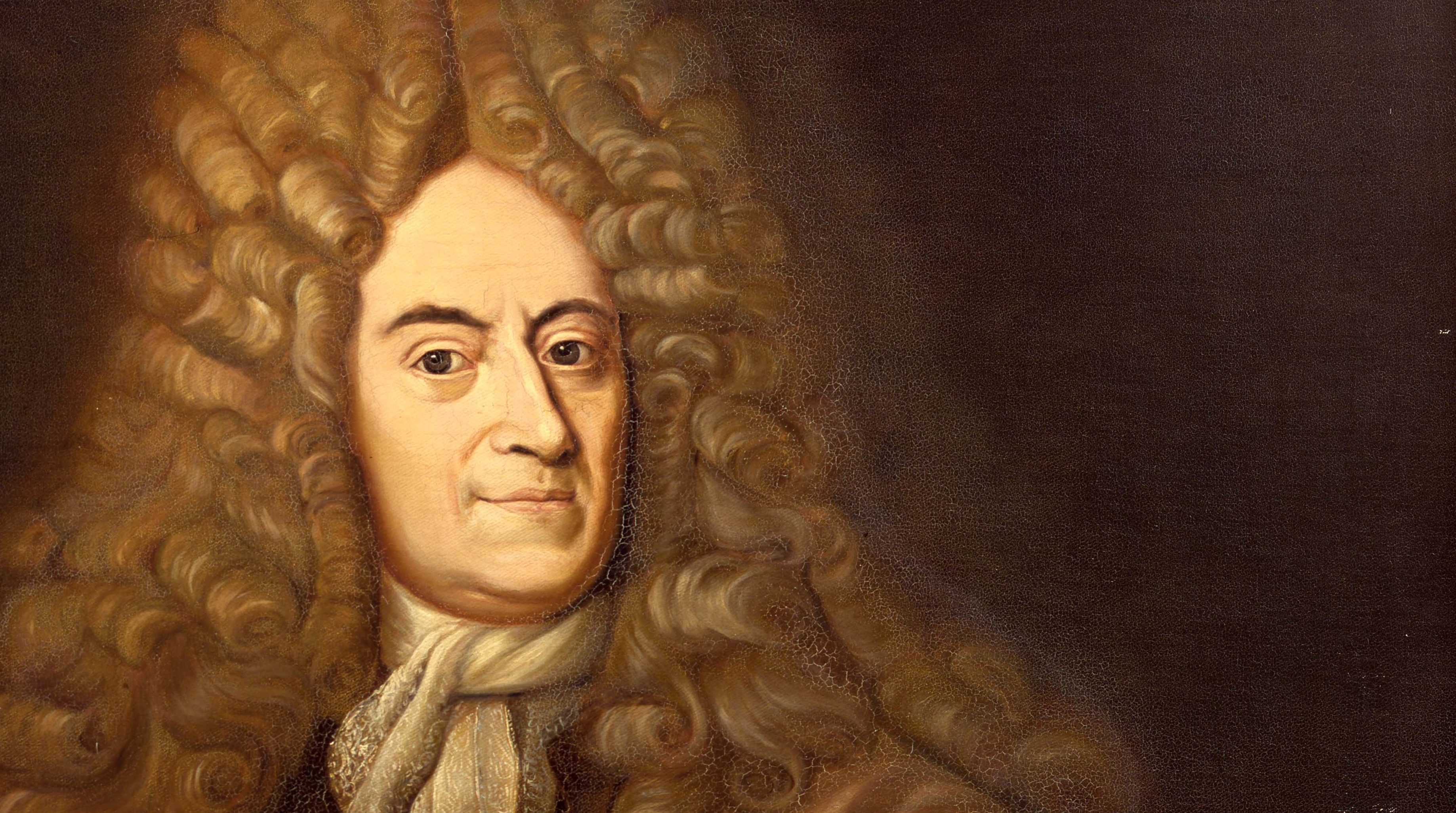
Today, Denmark is known for concepts such as hygge, a strong welfare state, and globally influential industries — from pharmaceuticals and renewable energy to design and toys. Through the museum’s portraits and history paintings, visitors encounter many of the people and events behind modern Denmark. The Portrait Gallery features Danes like Tycho Brahe, the pioneering astronomer whose precise observations laid the foundations of modern astronomy; Hans Christian Ørsted, discoverer of electromagnetism; Inge Lehmann, who discovered the Earth’s inner core; Niels Bohr, founder of modern quantum physics and Nobel Laureate in Physics (1922); and Morten Meldal, Nobel Laureate in Chemistry (2022) for the discovery of click chemistry, a breakthrough with global impact on medicine and drug development.
Alongside these scientific pioneers, the gallery also features Hans Christian Andersen, whose fairy tales continue to captivate readers around the world, as well as thinkers, statesmen, and the kings and queens of Denmark — from the Viking Age to today’s constitutional monarchy.
The monumental history paintings depict defining moments in Danish history, including the transition from absolute monarchy to democracy in 1849.
The museum at Frederiksborg Castle is open to the public year-round, including bank holidays. The castle is located at the final stop of Copenhagen’s S-train line A and rises picturesquely on three small islets in the Castle Lake in the town of Hillerød — a city of approximately 35,000 inhabitants just north of the capital. As Scandinavia’s largest Renaissance complex, the castle is surrounded by an 18th-century Baroque garden and a 19th-century Romantic landscape garden, which also features the charming miniature Bath House Castle.